


Yuki Inoue
An ecology of relationships that returns invisible trajectories to beauty
Nowadays, the world is flooded with all sorts of things and services, and information is confusing. We have entered an era in which we, as consumers and citizens, pursue our individual ideals and choose things based on our sensibilities.Yuki Inouehas clarified the relationship between ``people'' and ``things'' in these times.
Born in the production area of Arita, which has been in business for over 400 years, Inoue inherits the lineage of the late Manji Inoue, a holder of important intangible cultural property (Living National Treasure) of white porcelain, and bases his pottery creation on the spirit of ``great pottery and no miscellaneous pottery.'' It is also a guidepost for facing the earth and the present without distractions, having a dialogue with oneself through pottery, and continuing to question how one should live.
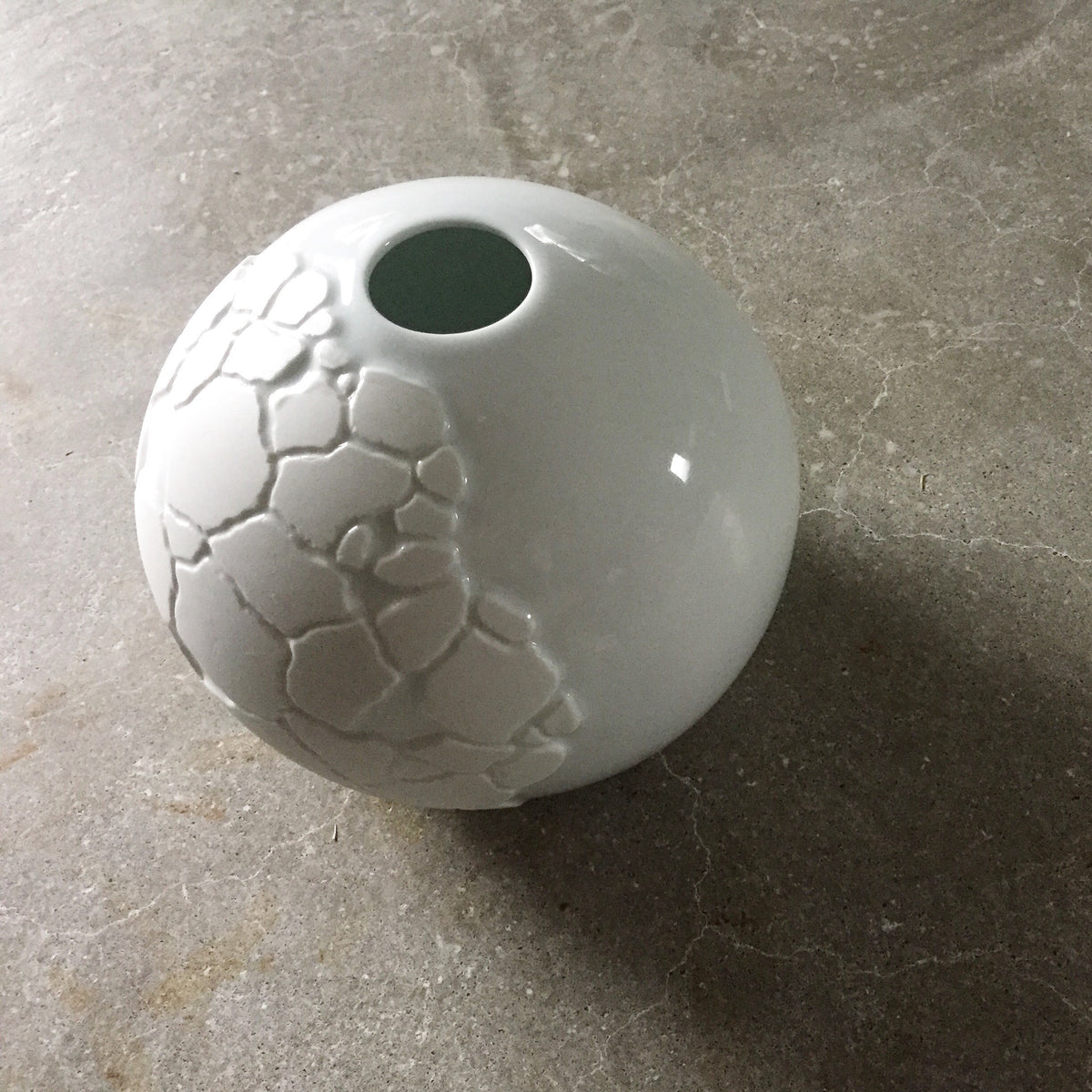
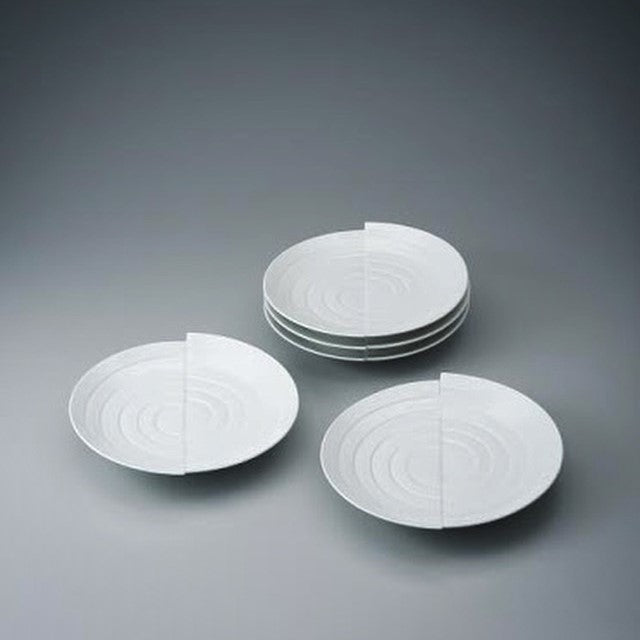
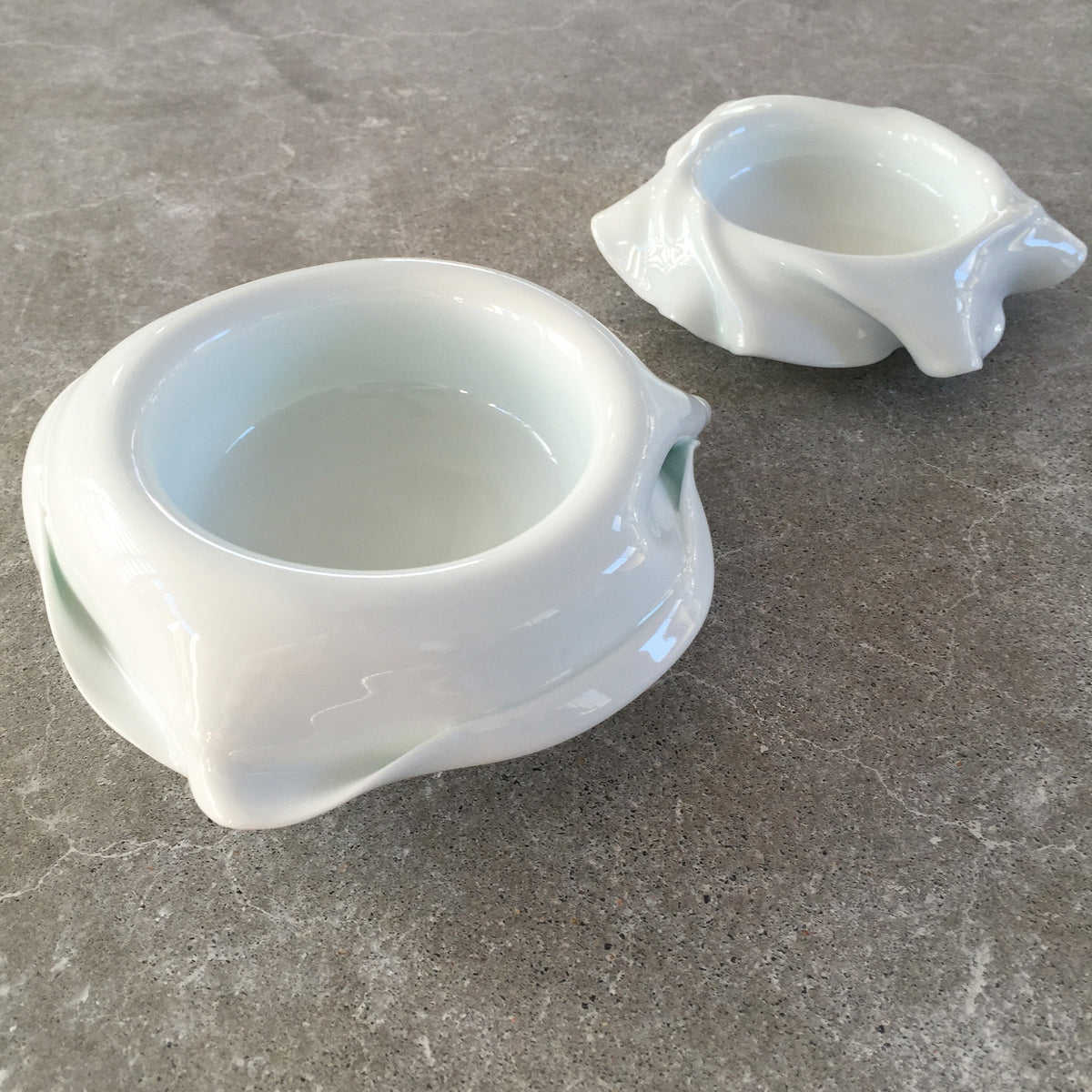
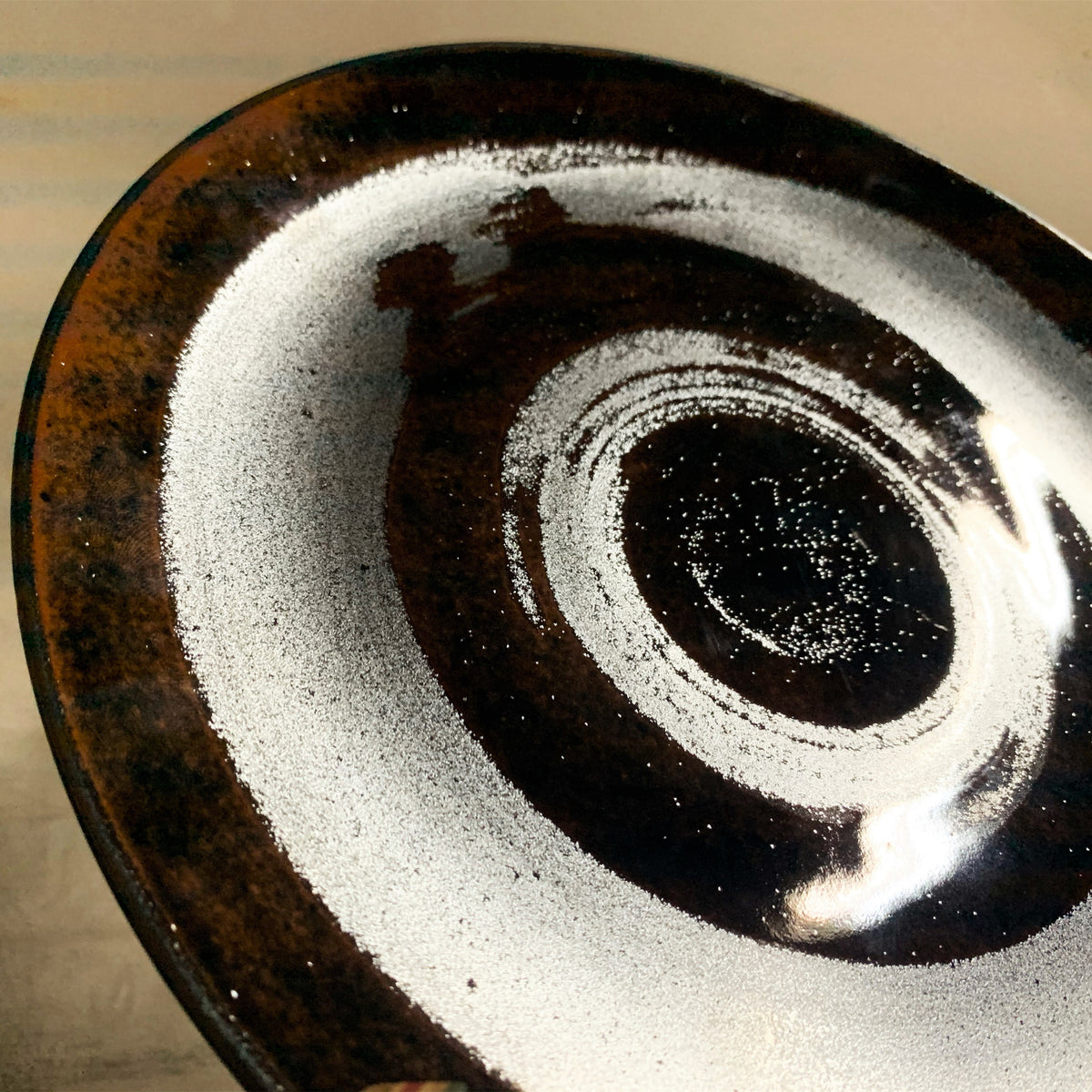
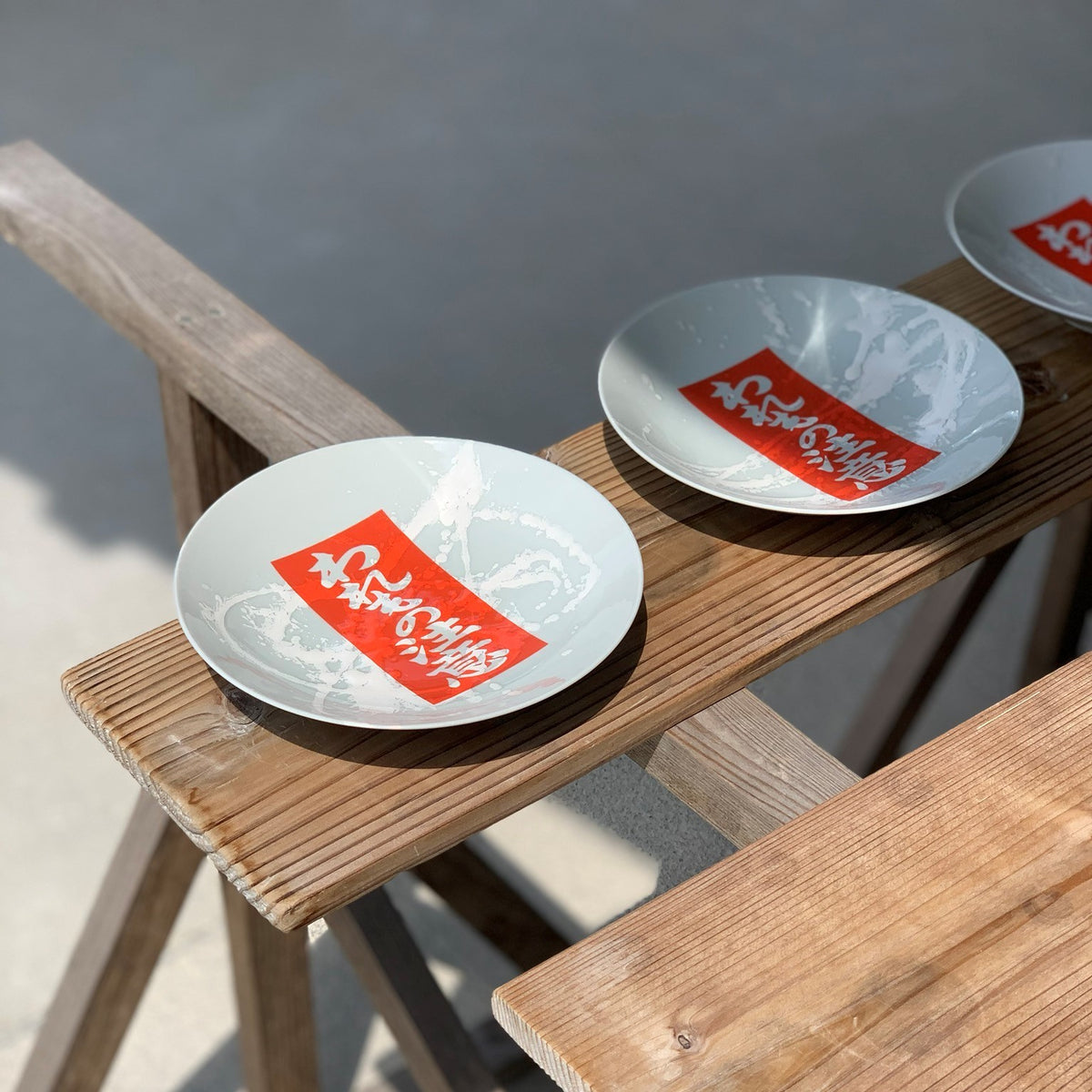
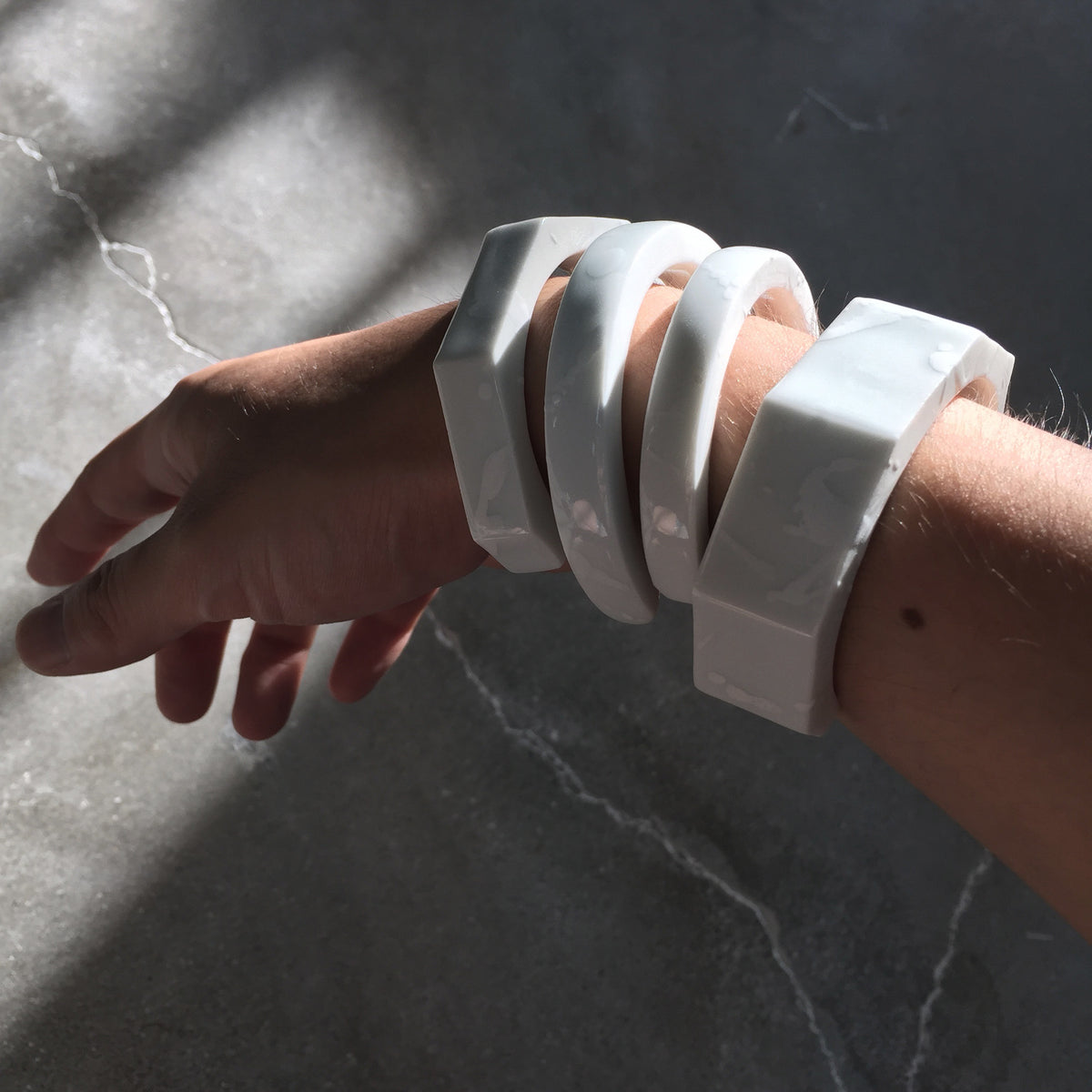
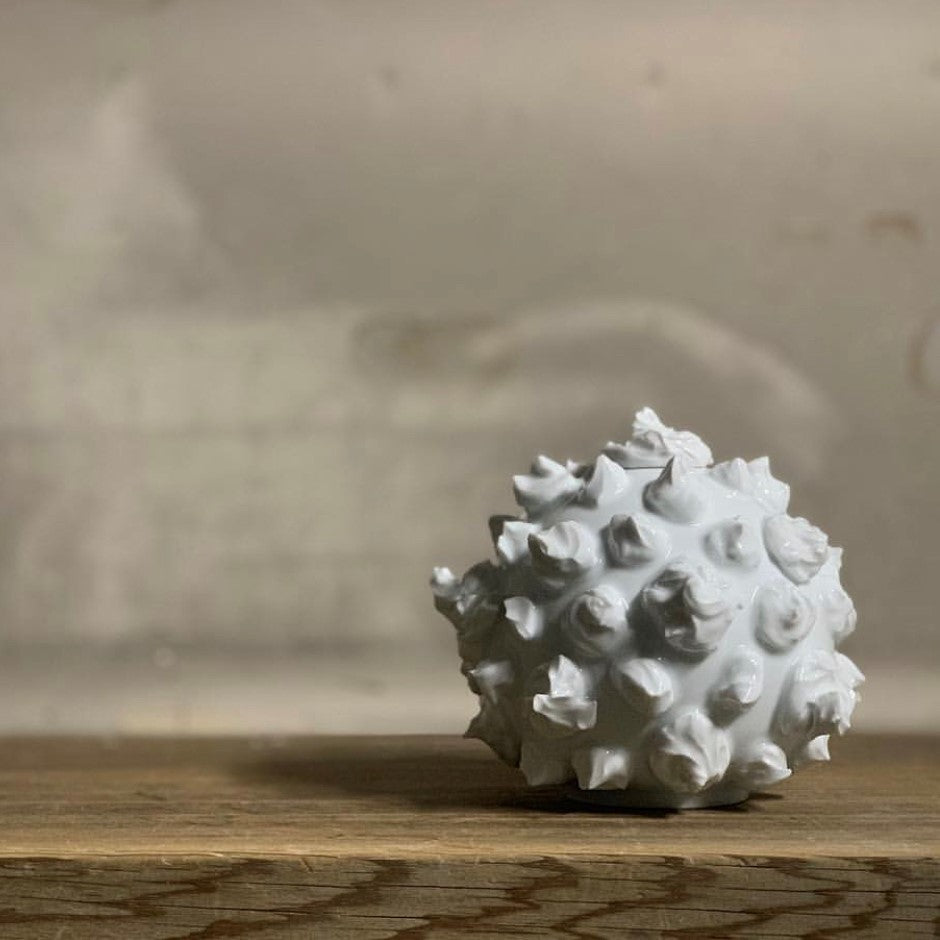
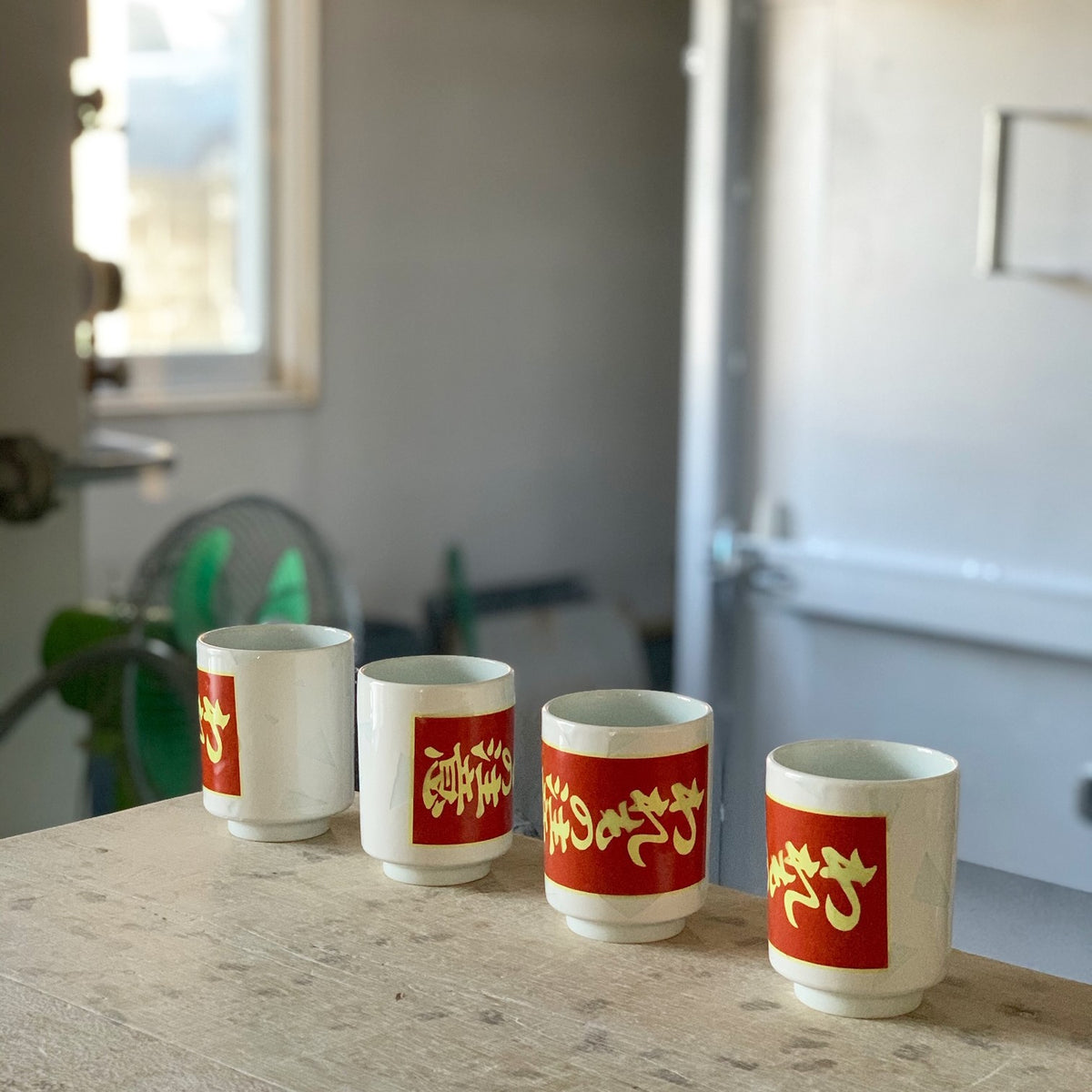
Inoue is based on the Manji Inoue kiln's aesthetic sense that shape is the ultimate form of creation, and on the reliable technique cultivated through rigorous training, but he also sublimates the improvisational fluctuations of his fingertips on the potter's wheel into expression. While the work has a rounded, plump form created by potter's wheel molding and the transparent beauty unique to white porcelain, it also incorporates a symbol that is shared across countries and cultures: ``Beware of Creatures,'' transforming a functional display into a conceptual device.
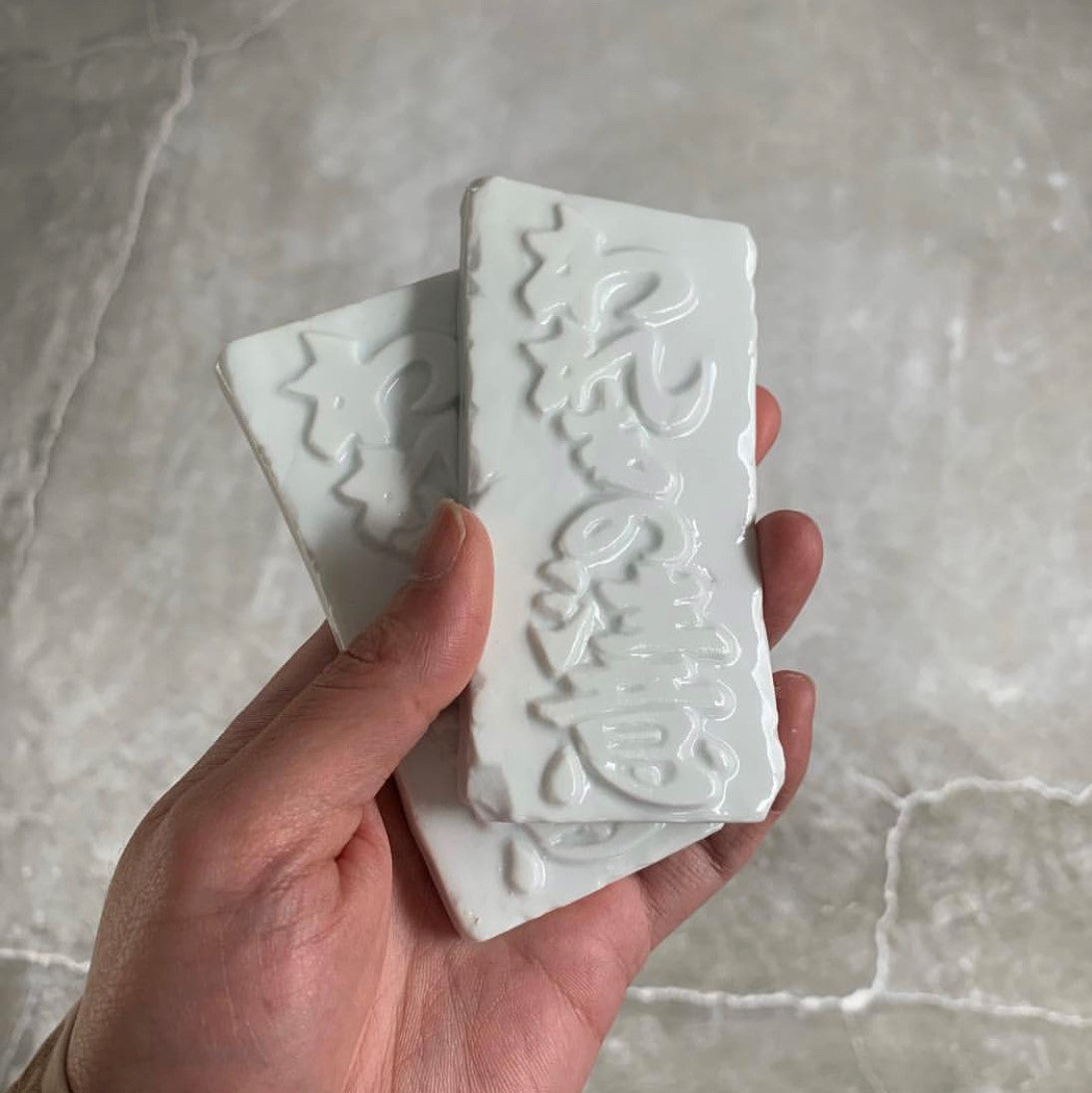
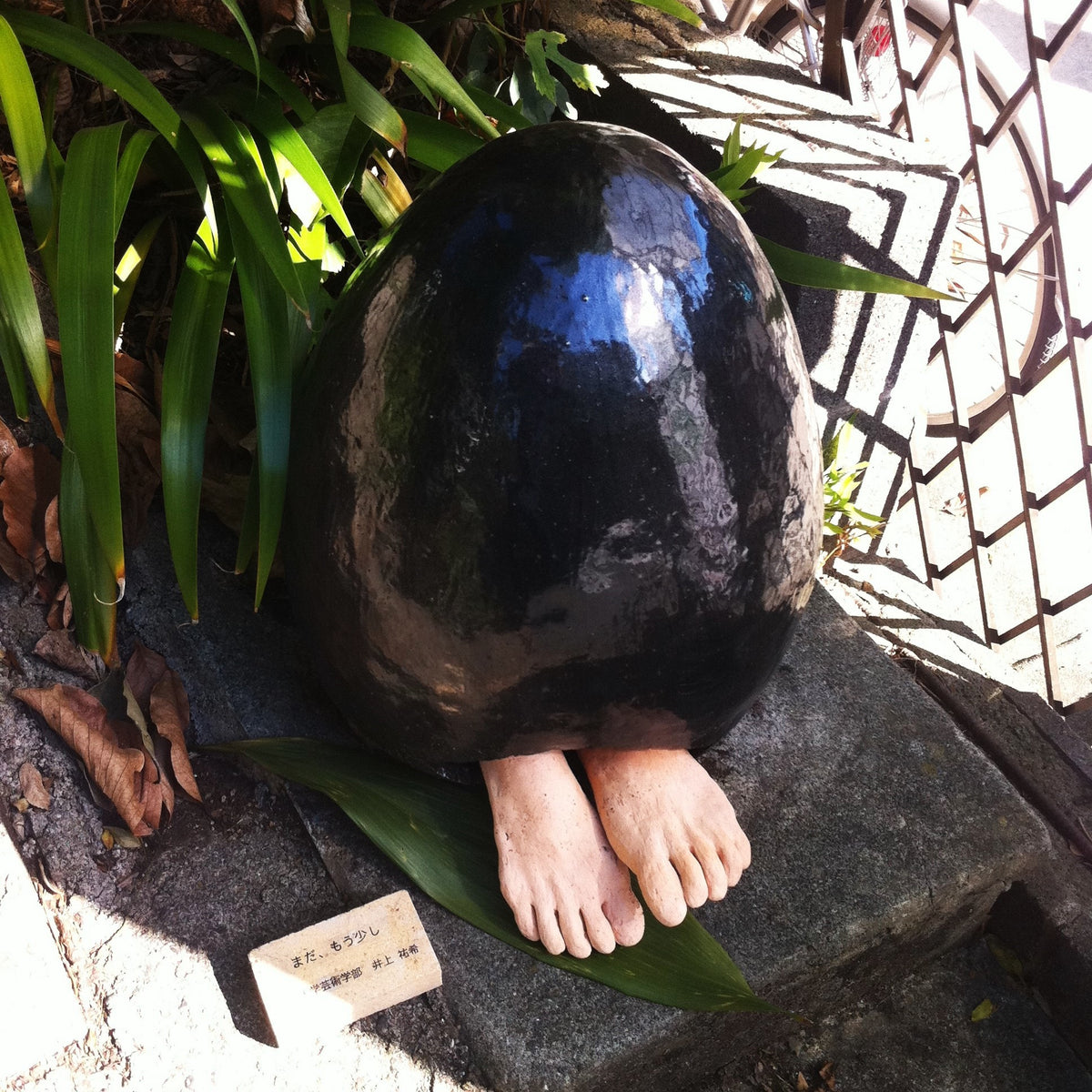
We overlay values that cannot be destroyed, such as peace, love, and smiles, on porcelain that can be broken. It is a paradoxical attempt to reconsider the existence of irreplaceable things that are often overlooked in our busy daily lives. It embodies the extremely universal wish of ``cherishing what is important.''
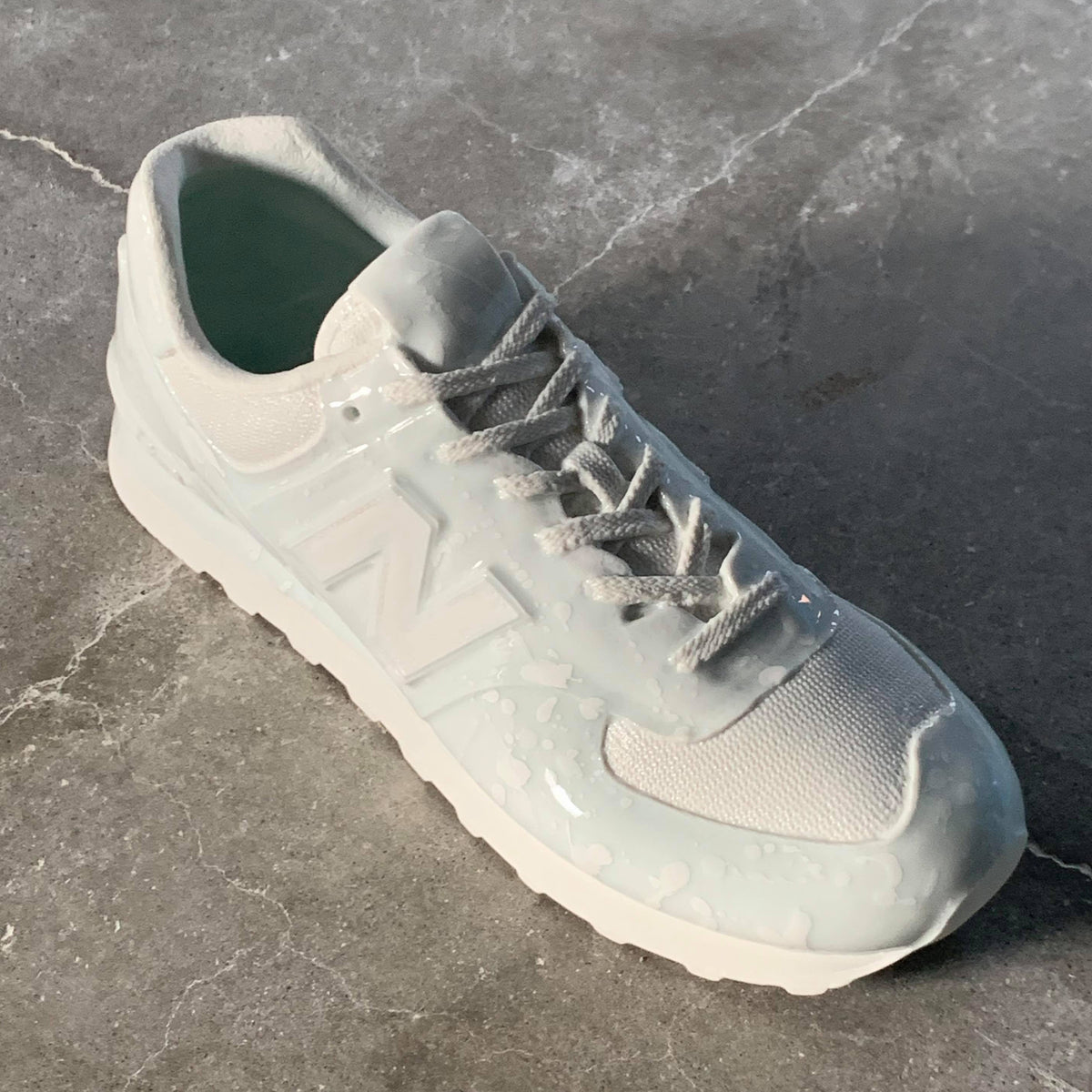
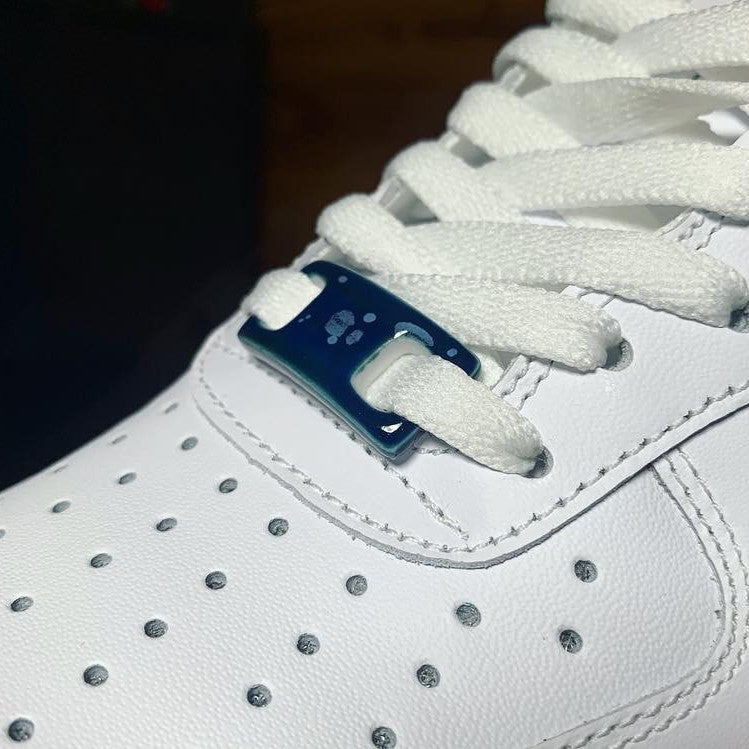
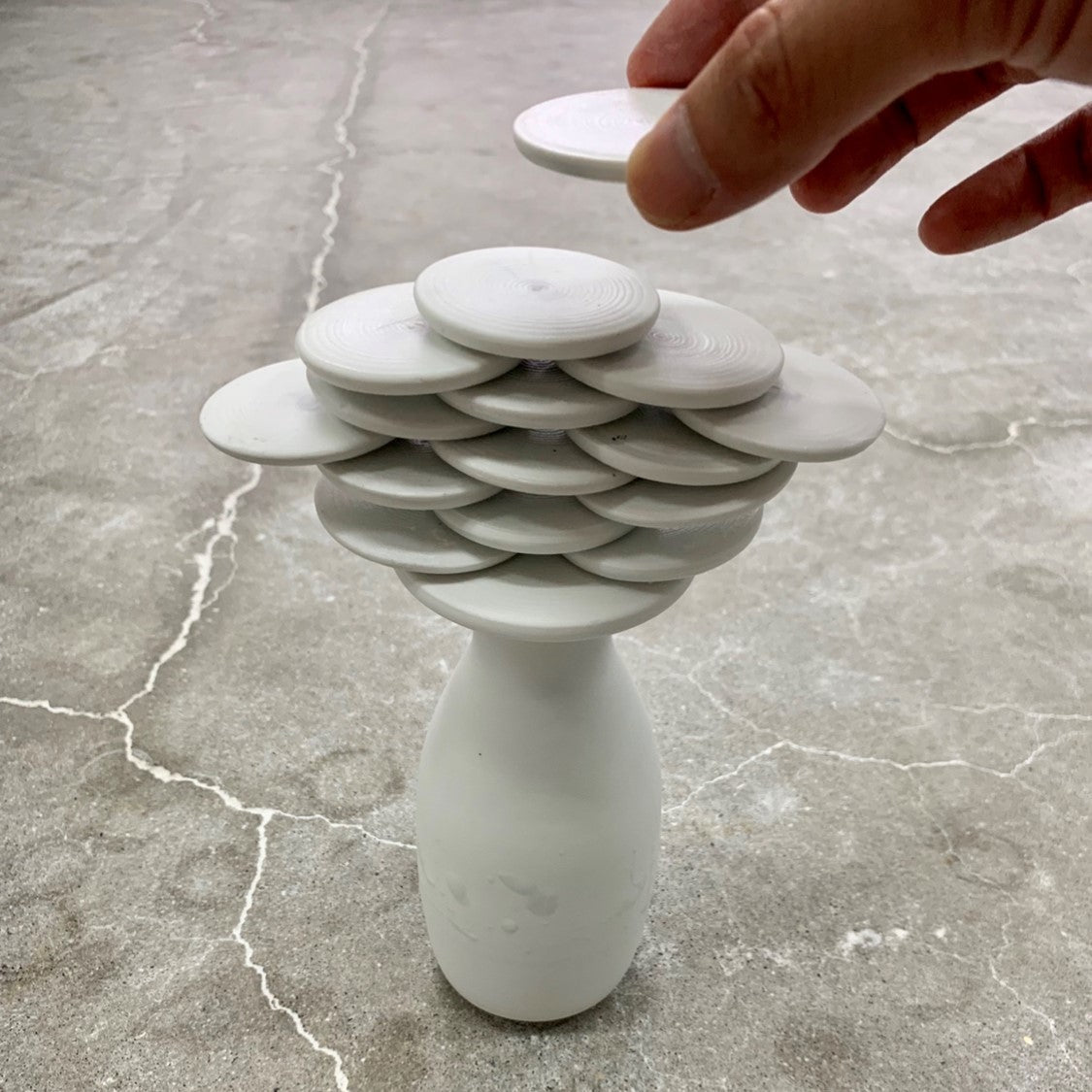
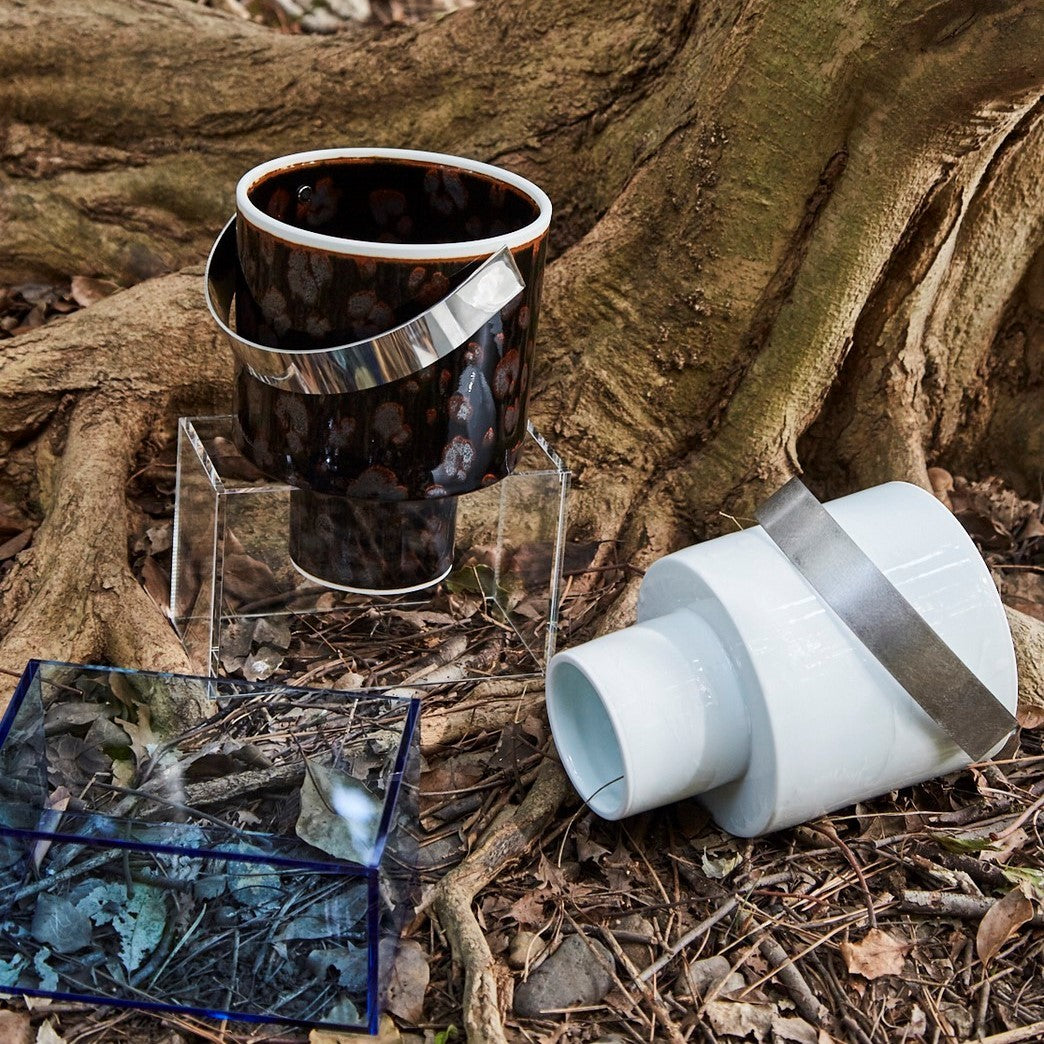
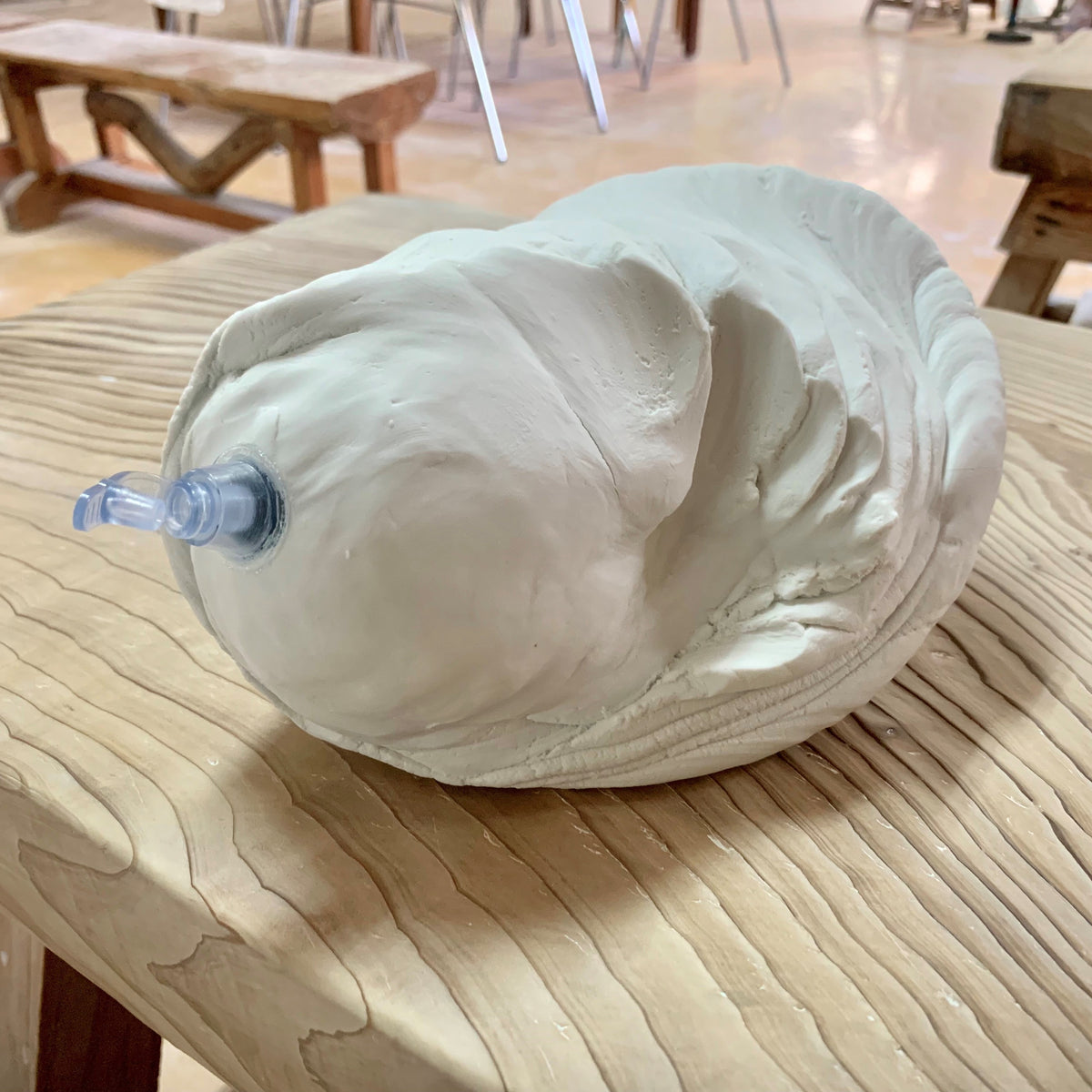
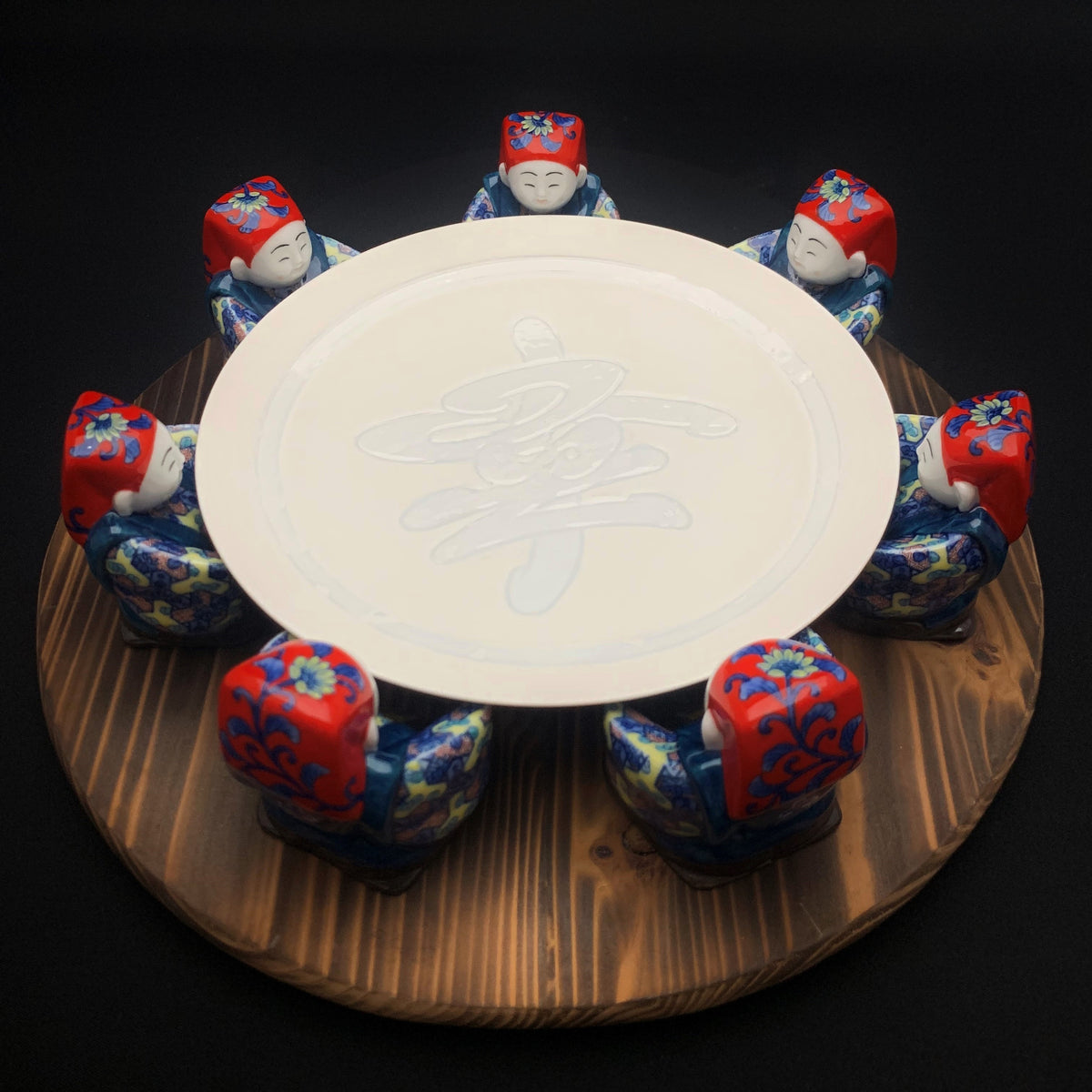
Inoue's attention is equally focused on the materials and tools used to make white porcelain, the process that supports production, and the presence that is rarely seen on stage. To grasp the functions and context behind the production, reinterpret them, and present them with new meaning. He also aims to convey the countless activities of making pottery and the joy of encounters between things and people with his works.
In modern society, many things are evaluated based on functionality, efficiency, and market value. For Inoue, even the emotions and memories that exist behind the work, the tools, the production process, the distribution and transportation, and other entities that normally recede from the work, are objects of expression. This visualizes the beginnings of reconsidering the relationships that exist behind manufacturing.
Isn't value not something that resides in objects, but something that is generated in people's memories, experiences, and relationships? In today's world, where the premise is to be consumed and replaced, ``fragility'' is not presented as a flaw, but as ``the accumulation of honorable activities that exist behind the scenes of manufacturing.''
B-OWND
Born in the production area of Arita, which has been in business for over 400 years, Inoue inherits the lineage of the late Manji Inoue, a holder of important intangible cultural property (Living National Treasure) of white porcelain, and bases his pottery creation on the spirit of ``great pottery and no miscellaneous pottery.'' It is also a guidepost for facing the earth and the present without distractions, having a dialogue with oneself through pottery, and continuing to question how one should live.
Inoue is based on the Manji Inoue kiln's aesthetic sense that shape is the ultimate form of creation, and on the reliable technique cultivated through rigorous training, but he also sublimates the improvisational fluctuations of his fingertips on the potter's wheel into expression. While the work has a rounded, plump form created by potter's wheel molding and the transparent beauty unique to white porcelain, it also incorporates a symbol that is shared across countries and cultures: ``Beware of Creatures,'' transforming a functional display into a conceptual device.
We overlay values that cannot be destroyed, such as peace, love, and smiles, on porcelain that can be broken. It is a paradoxical attempt to reconsider the existence of irreplaceable things that are often overlooked in our busy daily lives. It embodies the extremely universal wish of ``cherishing what is important.''
Inoue's attention is equally focused on the materials and tools used to make white porcelain, the process that supports production, and the presence that is rarely seen on stage. To grasp the functions and context behind the production, reinterpret them, and present them with new meaning. He also aims to convey the countless activities of making pottery and the joy of encounters between things and people with his works.
In modern society, many things are evaluated based on functionality, efficiency, and market value. For Inoue, even the emotions and memories that exist behind the work, the tools, the production process, the distribution and transportation, and other entities that normally recede from the work, are objects of expression. This visualizes the beginnings of reconsidering the relationships that exist behind manufacturing.
Isn't value not something that resides in objects, but something that is generated in people's memories, experiences, and relationships? In today's world, where the premise is to be consumed and replaced, ``fragility'' is not presented as a flaw, but as ``the accumulation of honorable activities that exist behind the scenes of manufacturing.''
B-OWND

Yuki Inoue
- 1988 | Born in Arita Town, Saga Prefecture
- 2012
- Studied under my grandfather Manji Inoue
個展
- 2026
- “Yuki Inoue Solo Exhibition ``Now, Present Time'''' Hankyu Men's Tokyo 7F B-OWND Gallery, Tokyo
- 2023
- “Yuki Inoue “Now, Current Exhibition” ~Play CREW~NOWWHERE & HiKEI & Hakata Hankyu~” Hakata Hankyu, Fukuoka
- 2022 | “Manji Inoue Kiln Yuki Inoue Solo Exhibition “ON THE WHEEL”” Shina Ginza, Tokyo
- 2022
- “Yuki Inoue “Now, Contemporary Exhibition”” Hakata Hankyu, Fukuoka
- 2021
- “Yuki Inoue “Now, Contemporary Exhibition” -PHASE 7-” Ginza Mitsukoshi, Tokyo
グループ展
- 2025 | “B-OWND Group Exhibition “TOOL or ART Exhibition Vol.2”” Hankyu Men’s Tokyo 1F Main Base B-OWND Gallery, Tokyo
- 2025
- “A・LIFE・FROM・DEATH - An exhibition of urns as art that brings death back into everyday life” Blackbird Gallery (Aichi), AFRODE CLINIC (Tokyo)
- 2024
- “myaku” Yuki Inoue x Seitaro Iki” OVERGROUND East Studio, Fukuoka
- 2024 | “B-OWND Group Exhibition “TOOL or ART Exhibition Vol.1”” Hankyu Men’s Tokyo 1F Main Base B-OWND Gallery, Tokyo
- 2024
- “Beautility: The Betweenness of Kogei” WHAT CAFE, Tokyo
- 2023
- “B-OWND Pop-up Exhibition - Art and Tea Ceremony -” Hakata Hankyu, Fukuoka
- 2022
- "Crafts 3.0 - Art x Technology x Japanese Culture - produced by B-OWND" Hakata Hankyu, Fukuoka
展示会
- 2026 | “Kingdom x (Running) Saga Prefecture ~ Let’s not let the fire of Saga die out.” Saga Airport, Saga
- 2025
- “alter. 2025, Tokyo” Project “HAMA Reimagined”” Nihonbashi Mitsui Hall, Tokyo
- 2025 | “TOOL OR ART” 2025 Japan International Expo Osaka/Kansai Expo Future Life Village, Osaka
受賞歴
- 2026
- Arita International Ceramics Exhibition Award Winner
- 2025
- Selected for Arita International Ceramics Exhibition
- 2025
- Western Traditional Crafts Exhibition Selected
- 2024
- Western Traditional Crafts Exhibition Selected
- 2023
- Western Traditional Crafts Exhibition Selected
- 2023
- Selected for Arita International Ceramics Exhibition
- 2023
- Japan Ceramic Association Contemporary Ceramics Encouragement Award, Kyushu/Okinawa Exhibition, Selected
- 2022
- Arita International Ceramics Exhibition Prize Winner
- 2021
- Saga Shimbun Cultural Encouragement Award Winner
- 2020
- Japan Traditional Crafts Exhibition Selected
- 2020
- Saga Prefecture Art Exhibition Selected
入選、その他
- 2026 | “ARITA/The abyss of white porcelain breathing and kiln transformation ~ Inoue Manji kiln and Shinemon kiln ~” GINZA SIX 6F Ginza Tsutaya Shoten, Tokyo