


Housai Matsubayashi
eternal blue
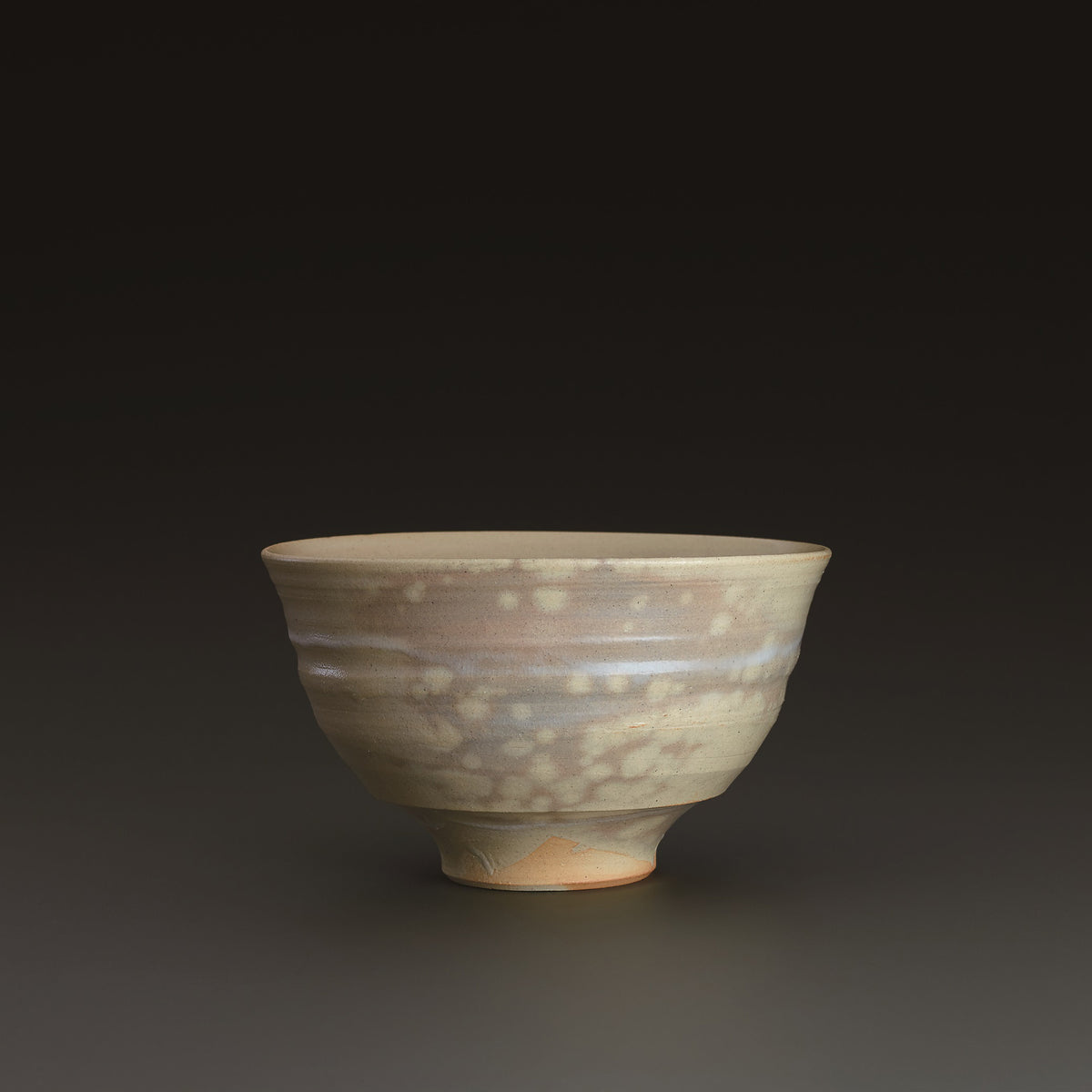
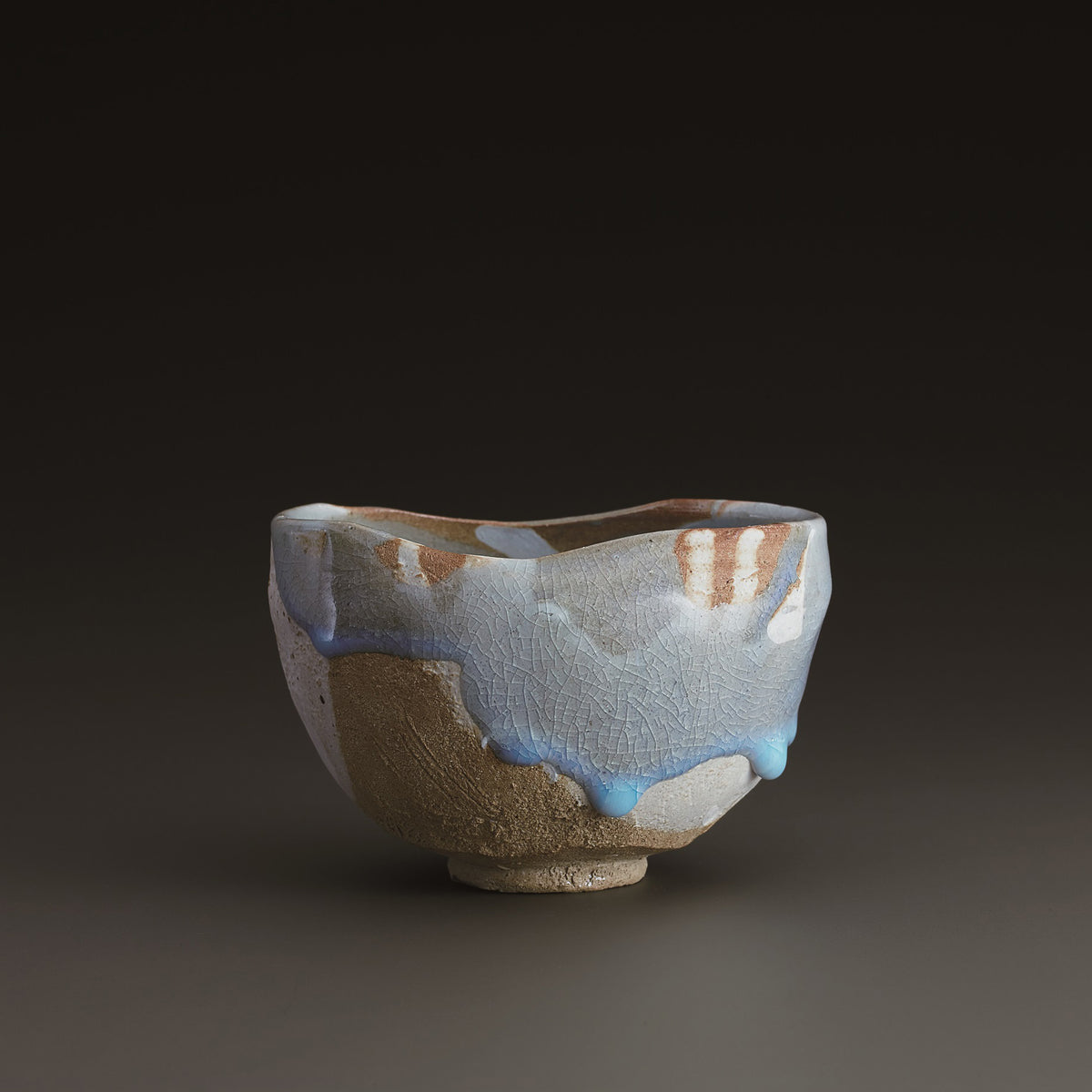
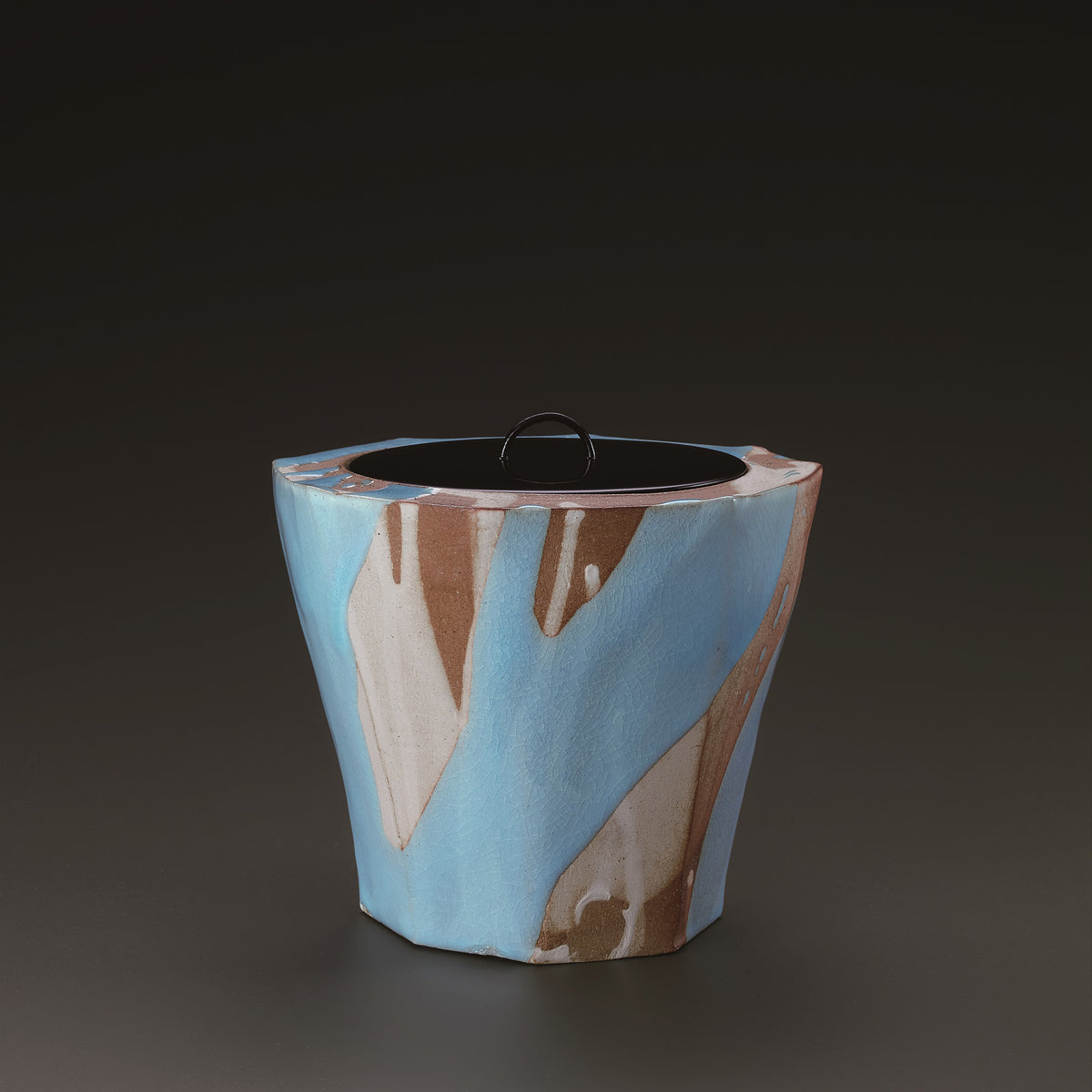
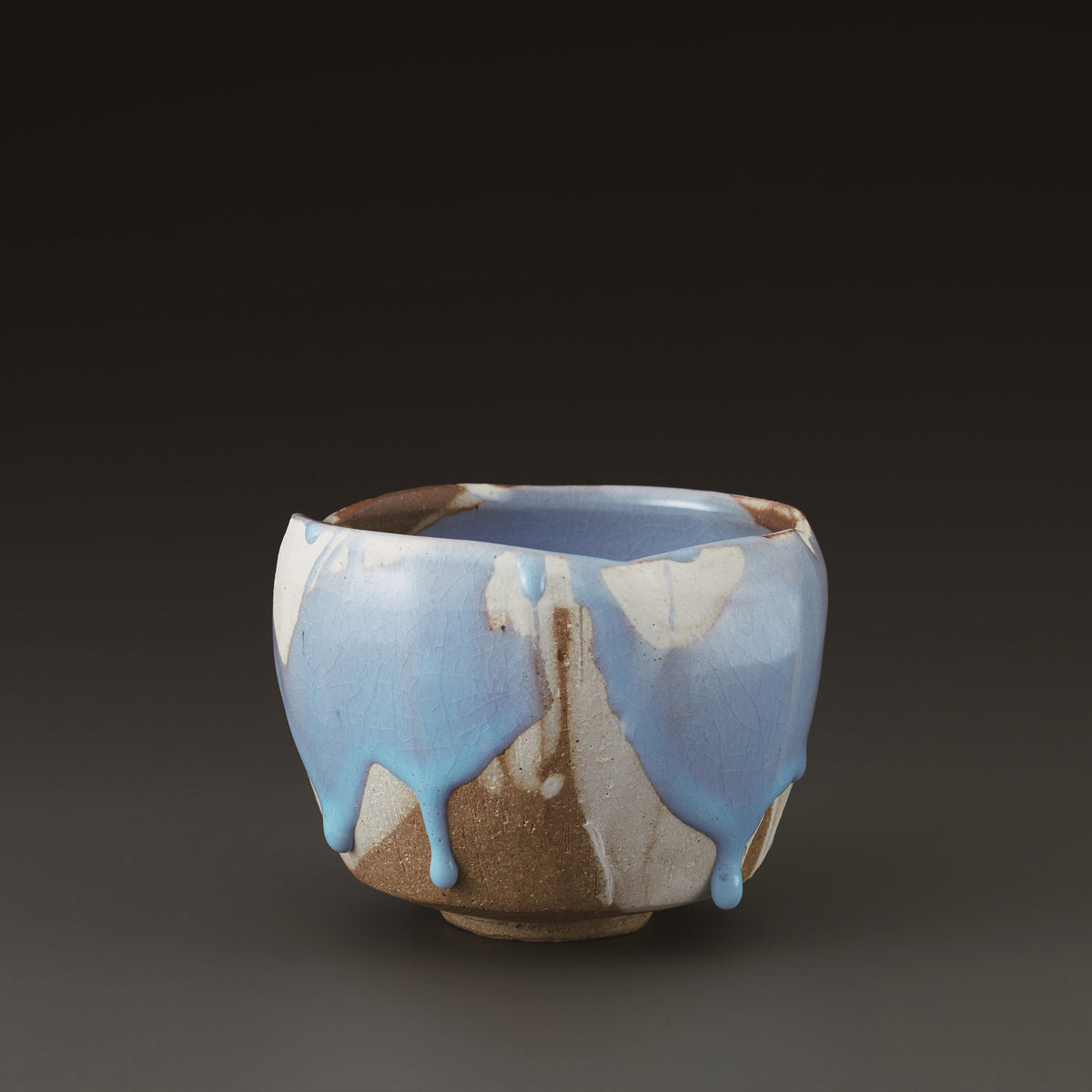
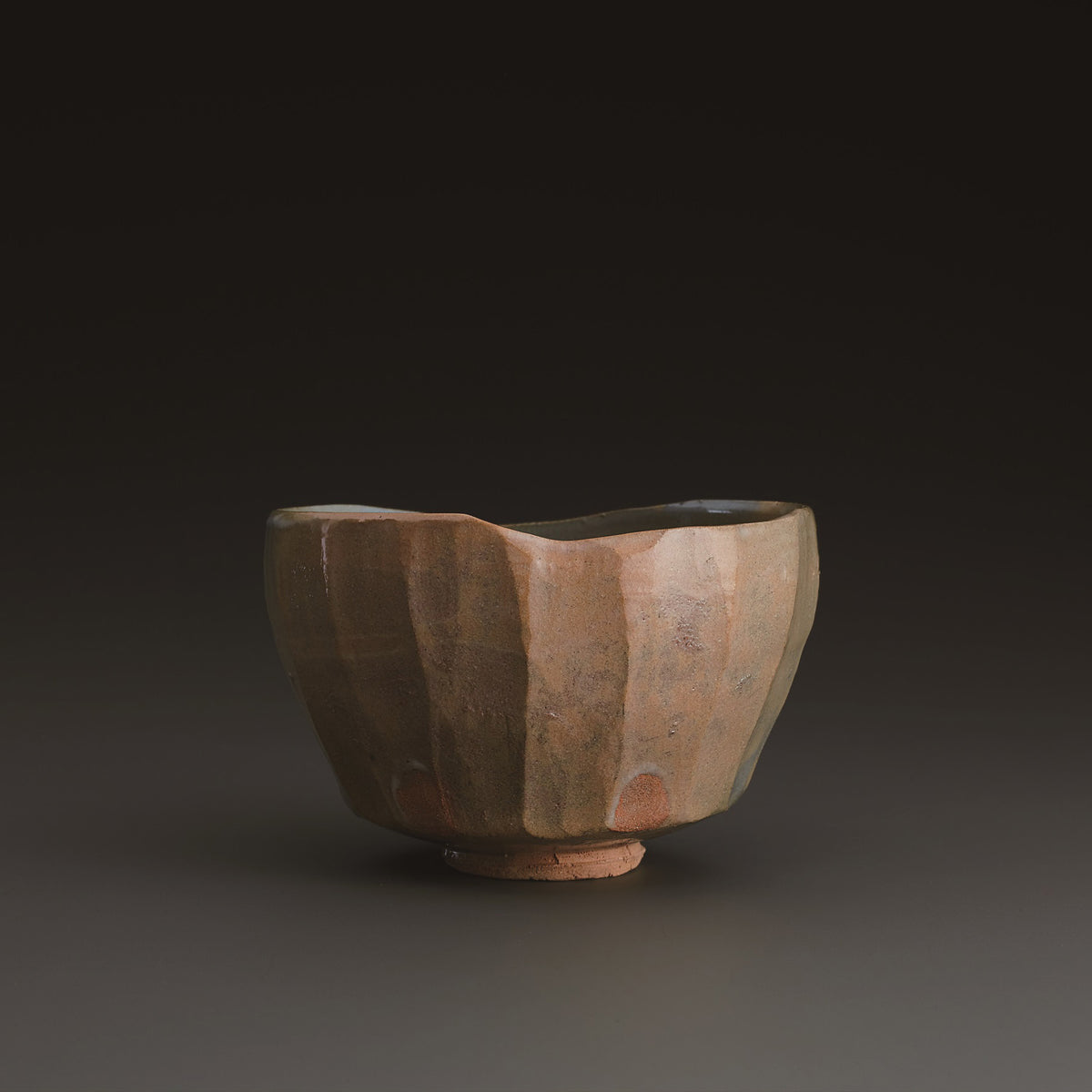
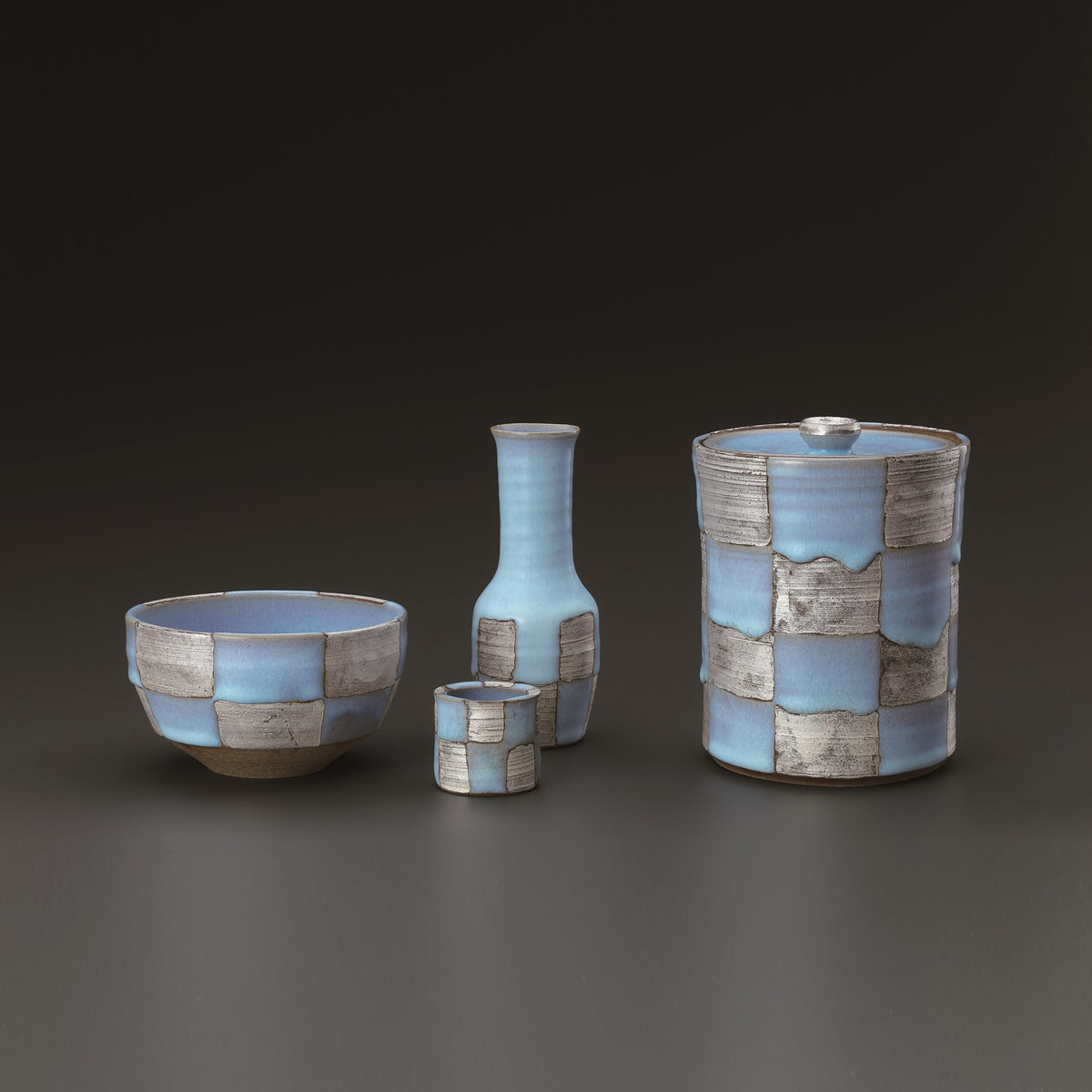
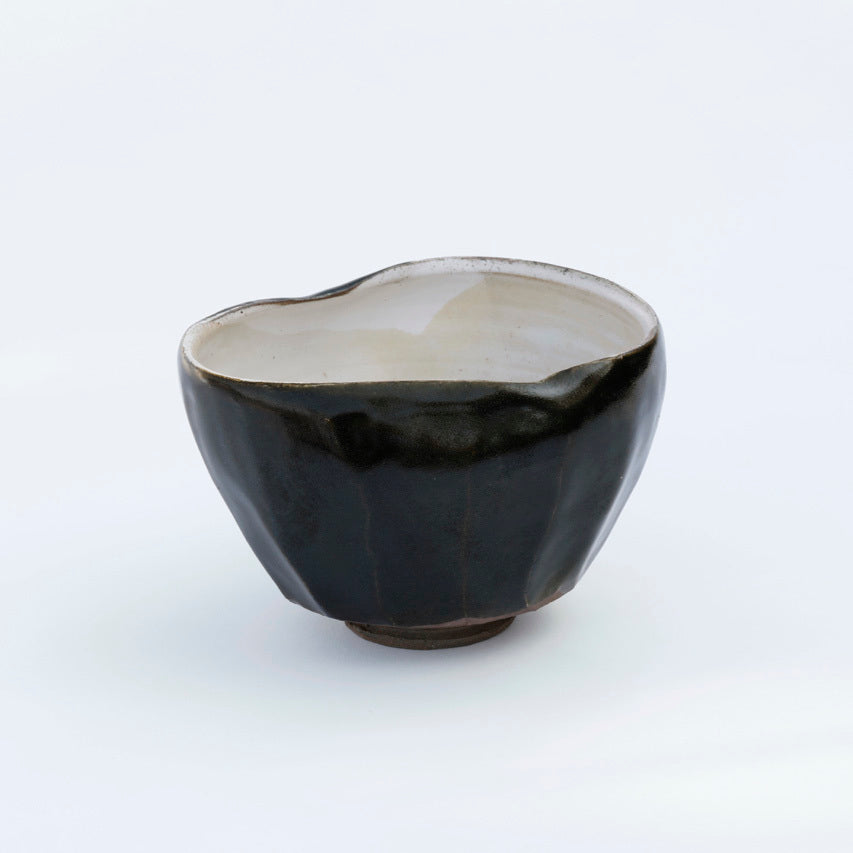
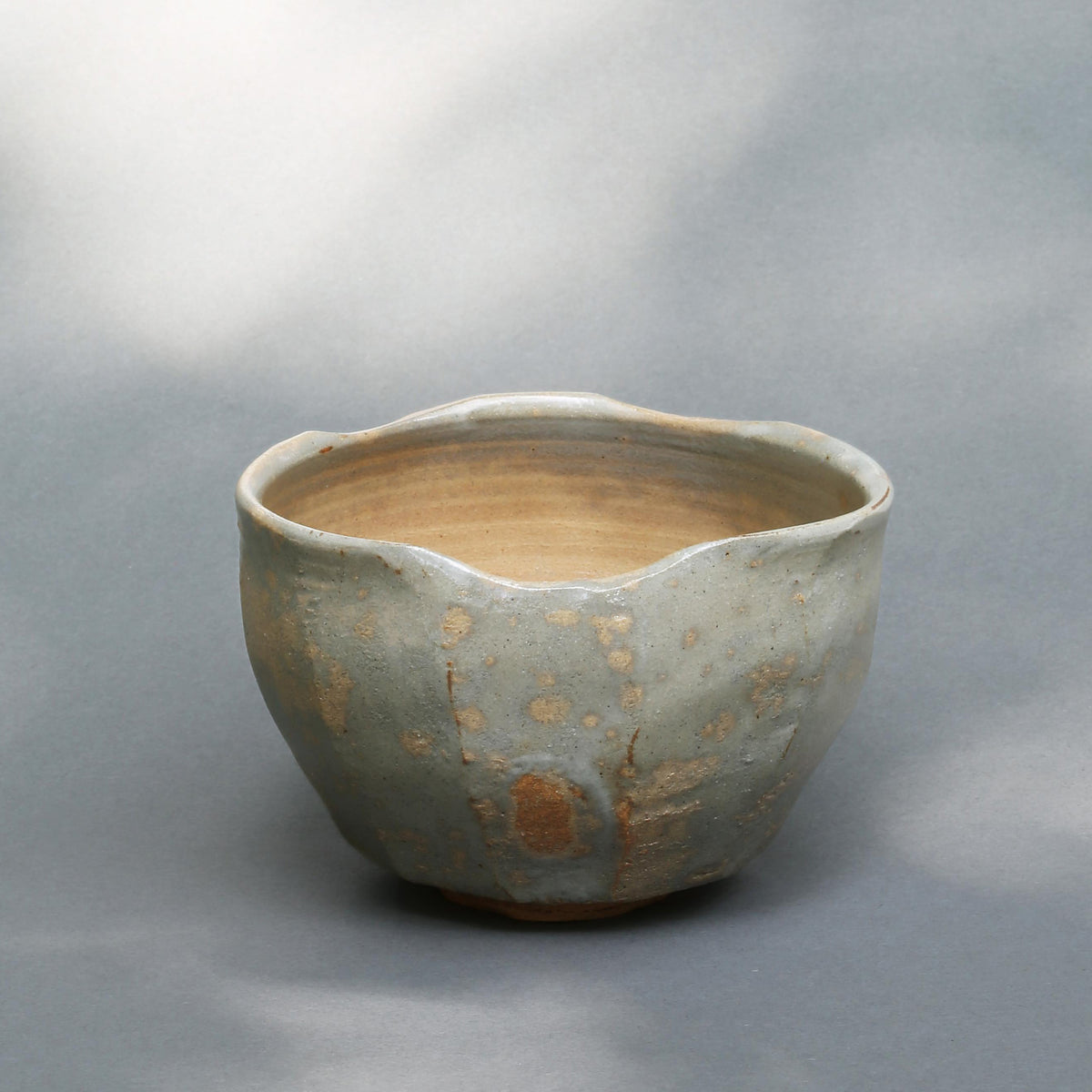
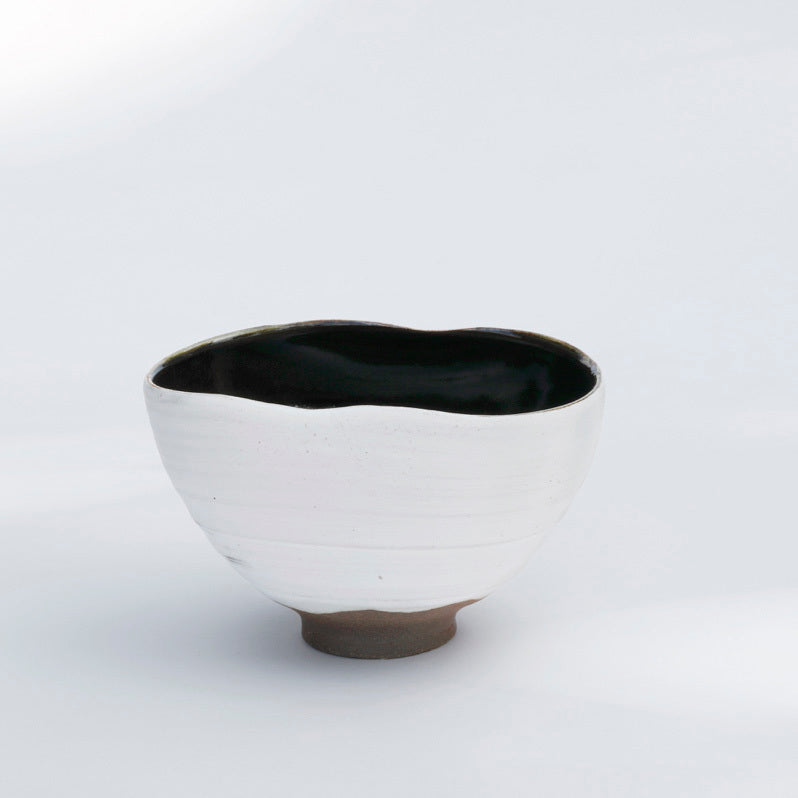
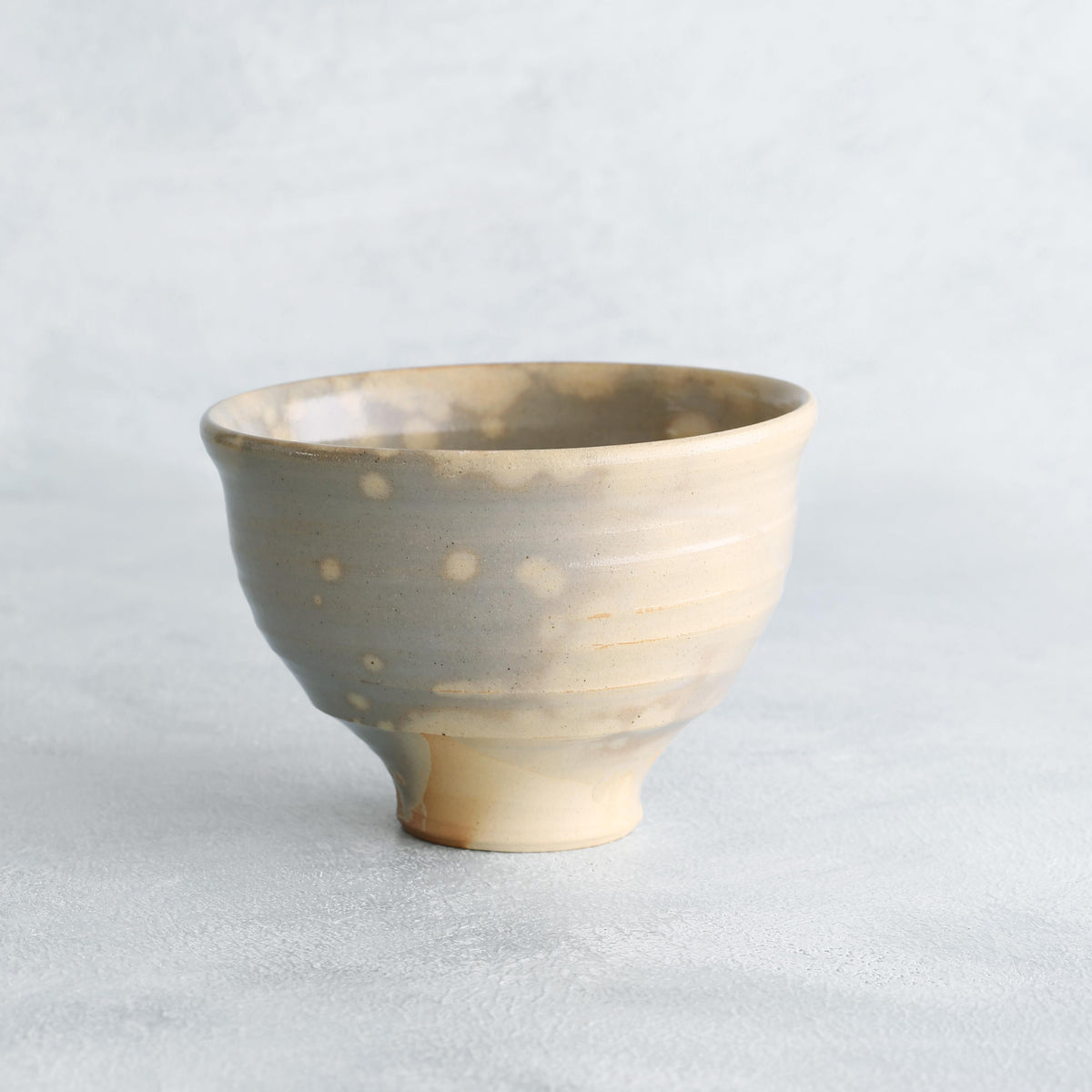
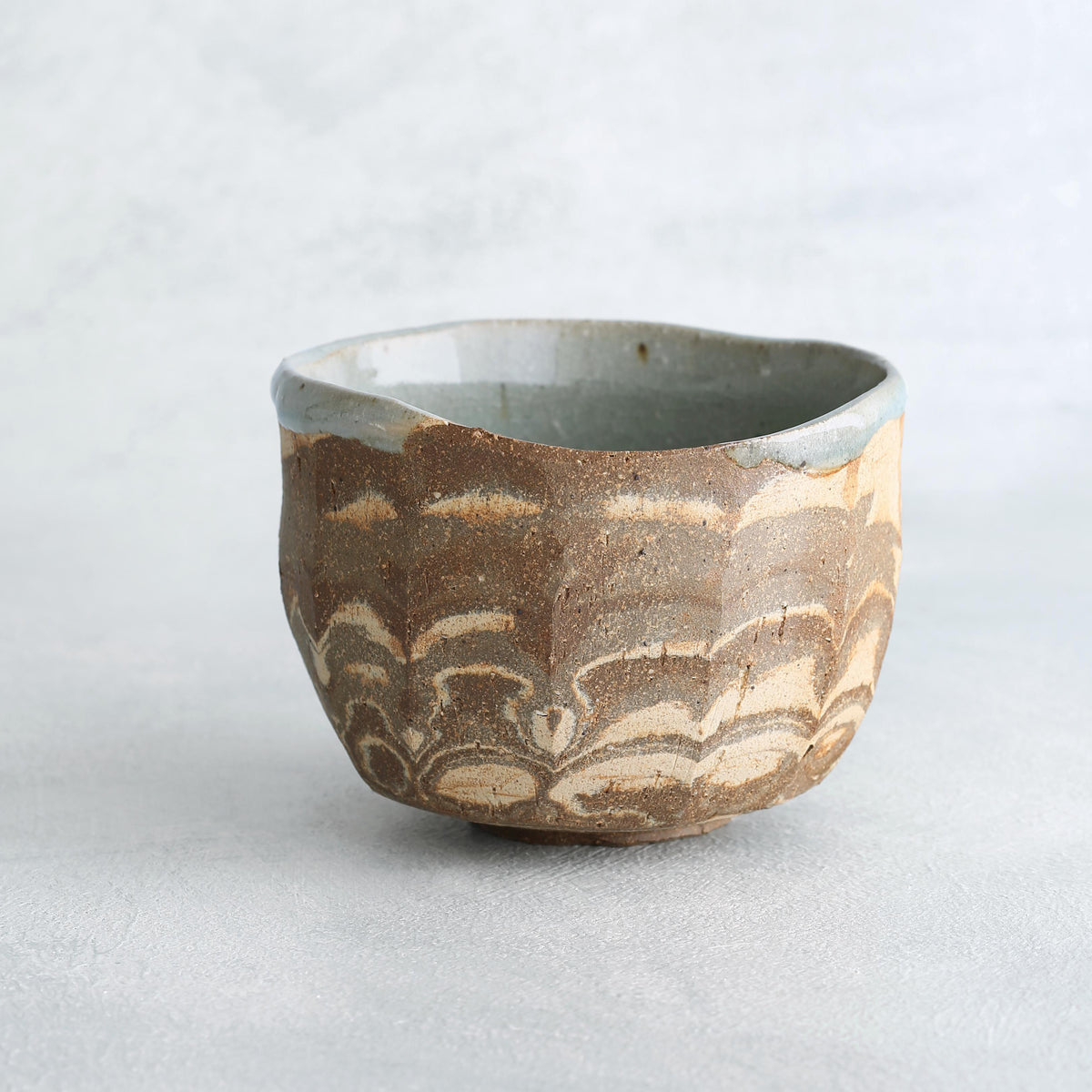
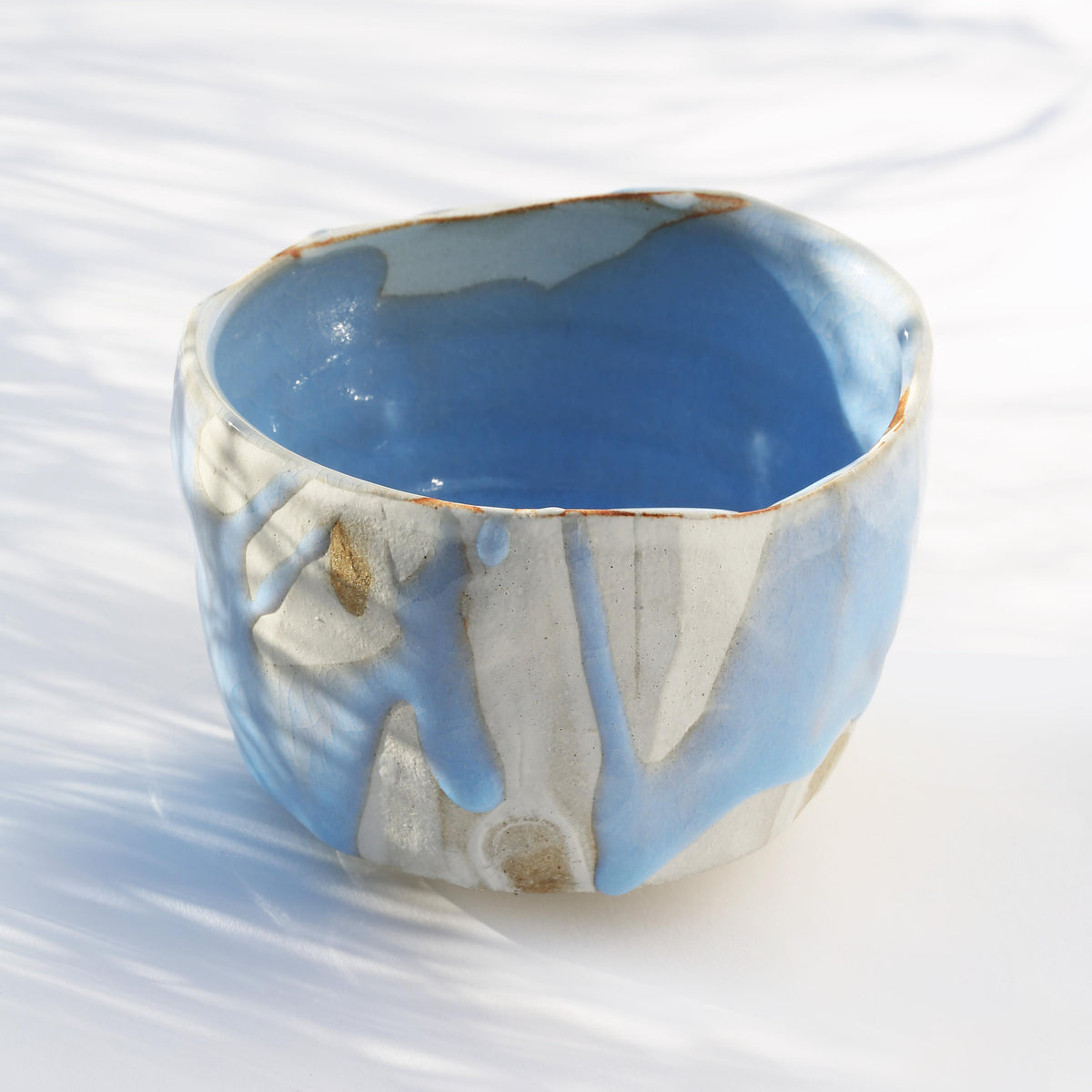
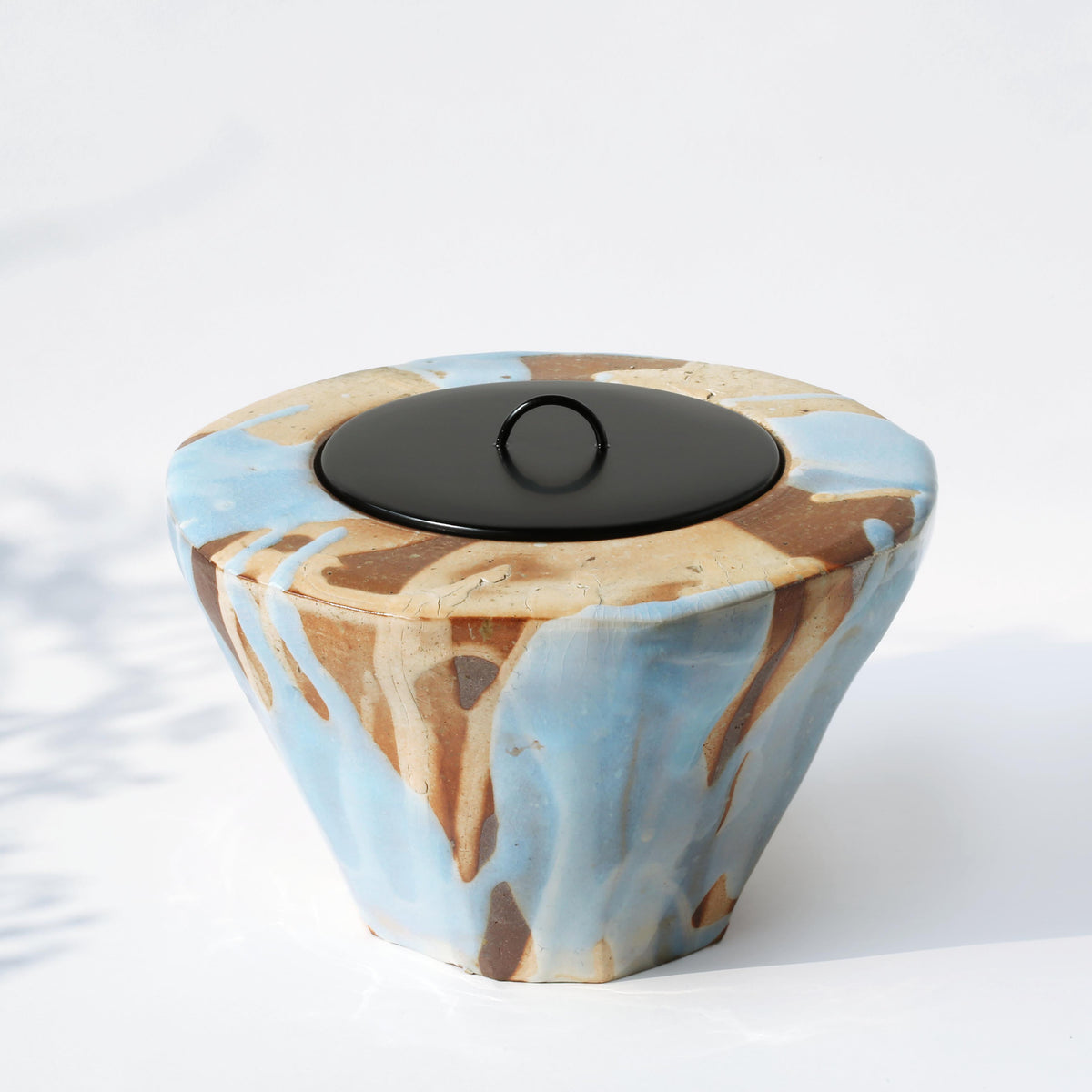
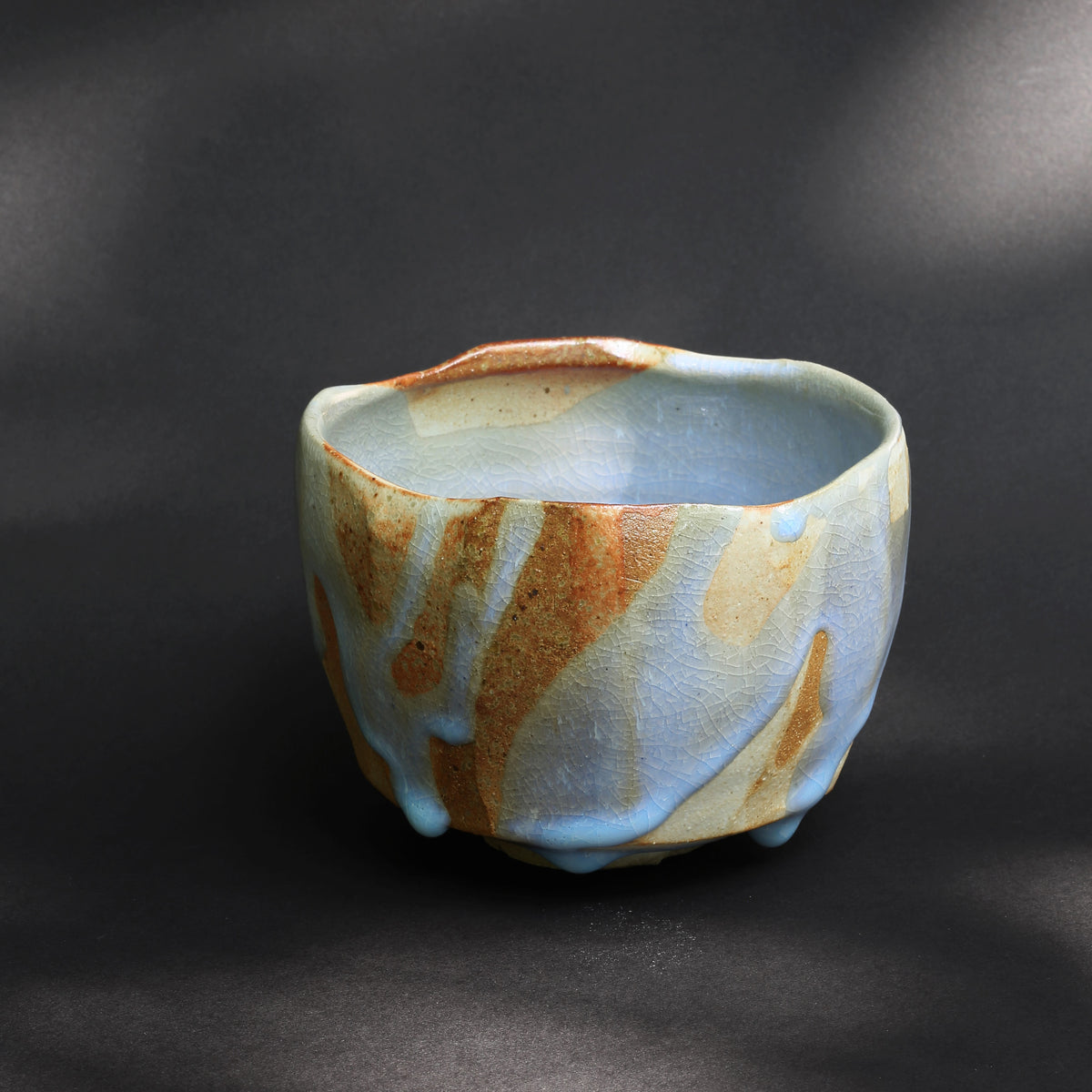
A fresh and pale glassy blue, a warm scarlet clay, and a pure white color with white makeup. The collaboration that takes place on top of a tea bowl gives the viewer an extremely clear, clean, and sophisticated impression.
The ultimate balance. The tea cups produced by Hosai Matsubayashi, the 16th master of Asahi ware, are full of bright beauty created by the balance between them.
When we admire a tea cup, enjoy the scent of tea, and feel the warm steam on our skin, we use all of our body's senses to perceive the world. Everything is in the tea bowl. So says the sixteenth generation.
From the moment a person brings the tea cup wrapped in their palm to their mouth, everything is wrapped up in the tea cup that was supposed to be wrapped in their own palm. The tea bowl is the profound universe.
Asahi ware is a famous tea pottery known for being a favorite of Kobori Enshu, a tea master who was active in the early Edo period. The underlying theme of pottery making from generation to generation is ``Kirei Sabi'' (Kirei Sabi). ``Keirei-sabi'' is a term used to express Kobori Enshu's tea style, and refers to the elegance and elegance of ``Jaku,'' which favors dryness and bitterness.
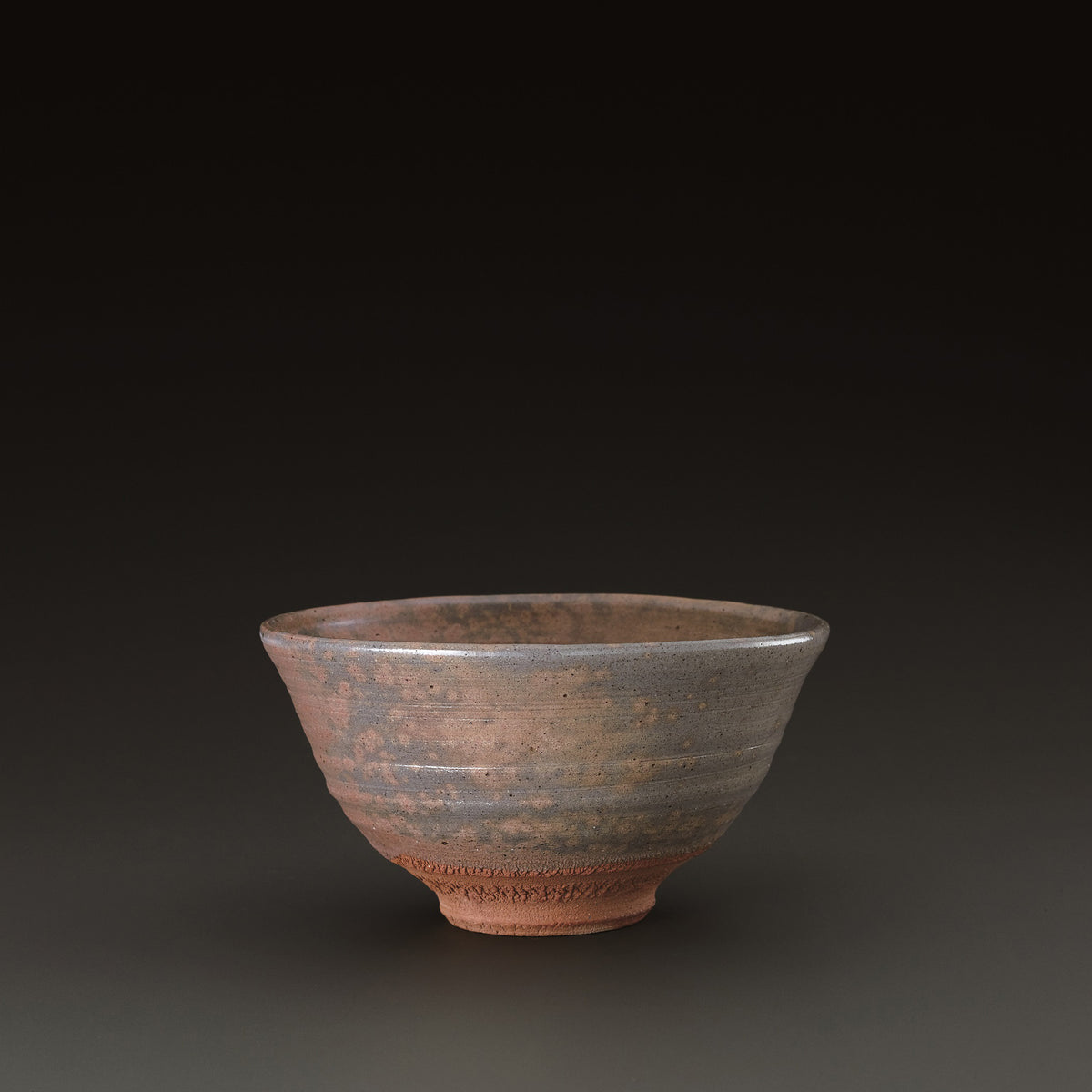
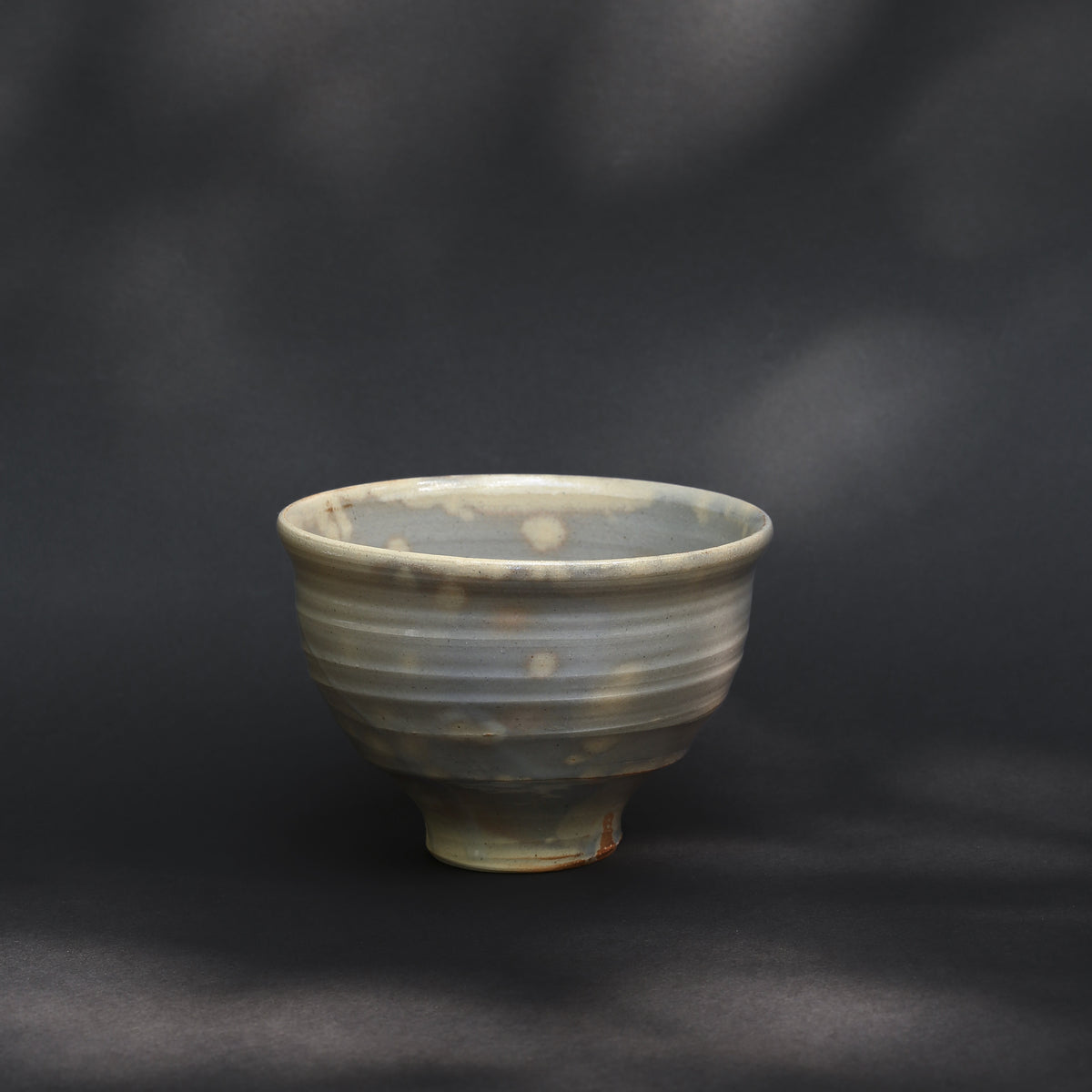
In the works of Hosai Matsubayashi XVI, the pale blue of the moon white glaze symbolizes ``beauty'' and the rough clay symbolizes ``sadness'', and the white makeup connects the two. The contrast and harmony of ``beautiful'' and ``drowsy,'' which can be said to be the spirit of Asahi ware, is combined with the addition of white makeup to give it a modern feel.Or a combination of fresh blue and calm gray. The scenery created by this contrast and balance is both traditional and transnational.
The 14th generation began using Asahiyaki blue to copy celadon, and the 16th generation took up and developed the blue color of Asahiyaki. This blue of the 16th generation is what the times demanded, and it symbolizes Asahi ware's progressiveness and modernity, which can be called the "enterprising spirit."
At the foot of Mt. Asahi, on the banks of the Uji River. The Asahiyaki workshop is located in a place where you can see the golden phoenix of Byodo-in Phoenix Hall. Long ago, Uji was chosen as a vacation home for the Heian aristocrats, and it is a calming place that exudes elegance, softness, and a touch of simplicity.
Successive generations of family heads and potters must have listened to the flow of the Uji River, felt the gentle breeze, welcomed the sun rising from Mt. Asahi in the morning, and sent it across Byodo-in Temple in the evening.
In this way, for 400 years, we have used the same Uji soil, handled it in the same manner, prayed to God for the safety of the kiln using the same etiquette, and produced masterpieces from each era. We create products that are bright and clear, and that anyone can honestly think is beautiful. The reason why Asahiyaki is called Asahiyaki lies in the overlap of the continuous activities of this land and the people who lived there. Hosai Matsubayashi, the 16th generation, is also marking time on this.And when we choose that tea bowl, we also participate in the overlap of Asahiyaki manufacturing.
``My role is to bring out the beauty of the clay,'' says XVI, and after doing his best, he ultimately entrusts his work to the clay, then to the fire, then to the person who will use it. It is a soft form of co-creation that is the opposite of vivid self-expression. It is calm and graceful, like the scenery of Uji.
Asahi ware has played out the spirit of ``Keirei Sabi'' for generations as a basso continuo while adapting to the needs of the times. The 16th generation blue may also be replaced by something else in the coming era. But that thought is eternal.
B-OWND
The ultimate balance. The tea cups produced by Hosai Matsubayashi, the 16th master of Asahi ware, are full of bright beauty created by the balance between them.
When we admire a tea cup, enjoy the scent of tea, and feel the warm steam on our skin, we use all of our body's senses to perceive the world. Everything is in the tea bowl. So says the sixteenth generation.
From the moment a person brings the tea cup wrapped in their palm to their mouth, everything is wrapped up in the tea cup that was supposed to be wrapped in their own palm. The tea bowl is the profound universe.
Asahi ware is a famous tea pottery known for being a favorite of Kobori Enshu, a tea master who was active in the early Edo period. The underlying theme of pottery making from generation to generation is ``Kirei Sabi'' (Kirei Sabi). ``Keirei-sabi'' is a term used to express Kobori Enshu's tea style, and refers to the elegance and elegance of ``Jaku,'' which favors dryness and bitterness.
In the works of Hosai Matsubayashi XVI, the pale blue of the moon white glaze symbolizes ``beauty'' and the rough clay symbolizes ``sadness'', and the white makeup connects the two. The contrast and harmony of ``beautiful'' and ``drowsy,'' which can be said to be the spirit of Asahi ware, is combined with the addition of white makeup to give it a modern feel.Or a combination of fresh blue and calm gray. The scenery created by this contrast and balance is both traditional and transnational.
The 14th generation began using Asahiyaki blue to copy celadon, and the 16th generation took up and developed the blue color of Asahiyaki. This blue of the 16th generation is what the times demanded, and it symbolizes Asahi ware's progressiveness and modernity, which can be called the "enterprising spirit."
At the foot of Mt. Asahi, on the banks of the Uji River. The Asahiyaki workshop is located in a place where you can see the golden phoenix of Byodo-in Phoenix Hall. Long ago, Uji was chosen as a vacation home for the Heian aristocrats, and it is a calming place that exudes elegance, softness, and a touch of simplicity.
Successive generations of family heads and potters must have listened to the flow of the Uji River, felt the gentle breeze, welcomed the sun rising from Mt. Asahi in the morning, and sent it across Byodo-in Temple in the evening.
In this way, for 400 years, we have used the same Uji soil, handled it in the same manner, prayed to God for the safety of the kiln using the same etiquette, and produced masterpieces from each era. We create products that are bright and clear, and that anyone can honestly think is beautiful. The reason why Asahiyaki is called Asahiyaki lies in the overlap of the continuous activities of this land and the people who lived there. Hosai Matsubayashi, the 16th generation, is also marking time on this.And when we choose that tea bowl, we also participate in the overlap of Asahiyaki manufacturing.
``My role is to bring out the beauty of the clay,'' says XVI, and after doing his best, he ultimately entrusts his work to the clay, then to the fire, then to the person who will use it. It is a soft form of co-creation that is the opposite of vivid self-expression. It is calm and graceful, like the scenery of Uji.
Asahi ware has played out the spirit of ``Keirei Sabi'' for generations as a basso continuo while adapting to the needs of the times. The 16th generation blue may also be replaced by something else in the coming era. But that thought is eternal.
B-OWND

Housai Matsubayashi
- 1980
- Born as the eldest son of Toyosai, the 15th head of Asahiyaki
- 2003 | Graduated from Doshisha University Faculty of Law
- 2003: Worked at Nippon Express Co., Ltd. Shipping Division
- 2004: After leaving the company, he studied potter's wheel at the Kyoto Prefectural Ceramics Training School, and then trained under his father, Hosai.
- 2010
- Tea pottery exhibition at Takashimaya Arts and Crafts Salon, Kyoto
- 2015
- Made at Leach Kiln in St. Ives, UK
- 2015
- Exhibition and tea ceremony at the Guimet Museum of Oriental Art, donation of works to the Embassy of Japan in France and the Consular Office in Lyon
- 2016
- Hyosai, the 16th generation of Asahi ware, assumed the name at Byodo-in Jodo-in Temple.
- 2016
- Received the “Asahi” communion seal from Her Imperial Highness Princess Takamado
- 2017
- Name succession commemorative exhibition at Takashimaya, Kyoto
- 2017
- Name succession exhibition at Nihonbashi Mitsukoshi Art Gallery
- 2018
- Work purchased by Wales National Museum
- 2018
- Works exhibited at Japanese Garden “Shokunin” exhibition in Portland, USA, succession exhibition at Takashimaya Yonago, Okayama, Osaka, and Yokohama Takashimaya Art Gallery
- 2019
- Tea ceremony exhibition held with Shun Kawakami at hotel koe
- 2019
- Participated in the “Succession Exhibition” sponsored by the Hong Kong government
- 2020
- Name succession exhibition held at Nihonbashi Takashimaya Art Gallery